 Palworld
Palworld Single-shot Rifle Beginner Guide: How to Use It Early and Build Smart
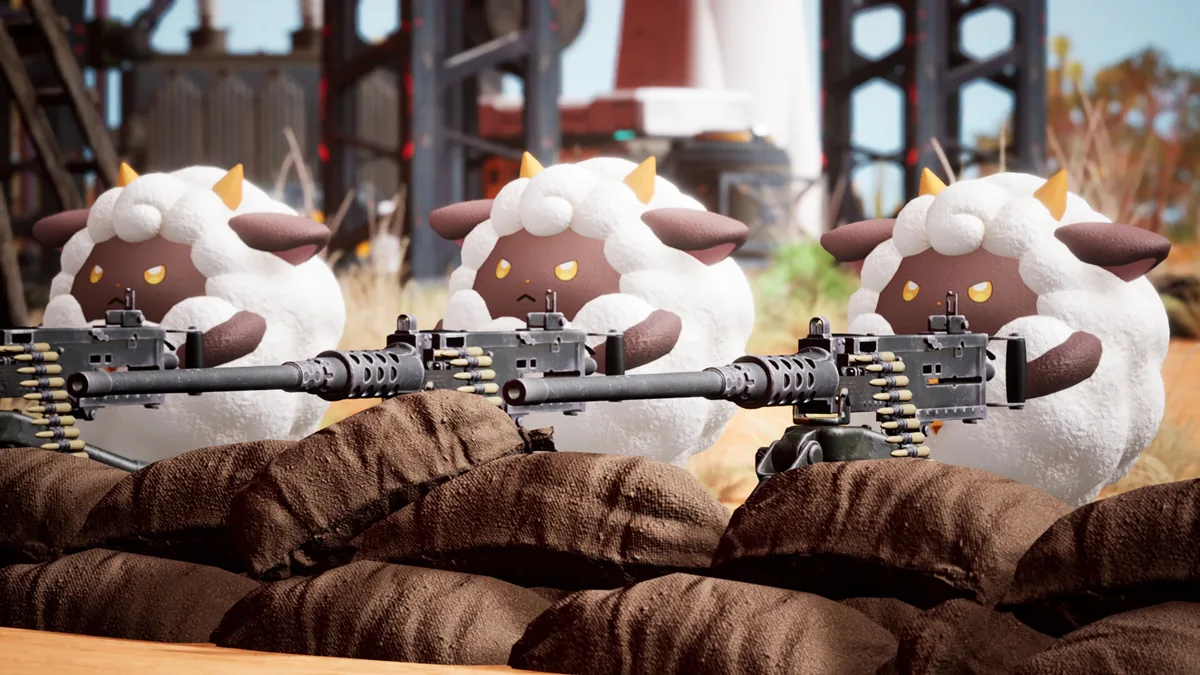
Quick Answer: The Palworld Single-shot Rifle is a solid early ranged weapon for safe damage, but beginners should first stabilize their base, hoard key crafting resources, and only then invest in rifle ammo, upgrades, and better combat gear.
Palworld is an open-world survival crafting game where you catch Pals, build a base, and fight alongside them; it launched in early access in January 2024 and later fully released on July 10, 2026.Source Source
What the Palworld Single-shot Rifle Is Good For
The Palworld Single-shot Rifle is best used as a dependable mid-range backup that helps you survive fights you are not ready to win up close. In beginner play, that usually means using it to pick at hostile Pals, protect yourself while learning dodge timing, and finish targets after your active Pal does the first round of pressure.
Because Palworld blends monster catching, survival, and crafting, a rifle sits in a different role than a melee weapon or a thrown tool. A sword or club is fine when you can safely stay on a target, but the rifle gives you breathing room against early threats like aggressive wild Pals near your starting area, enemy camps, or even a boss attempt that starts going wrong. For example, if a Cattiva is pinning your attention while a stronger Pal is closing in, a rifle lets you create distance. If you are dealing with a small group near a camp, a single-shot weapon can help you weaken one enemy before your Pal team engages.
It is also important to understand what the weapon does not do. It is not your main solution for every encounter, and it is not the first thing you should rush if your base is still missing beds, storage, and steady production. Beginners often overvalue the rifle because ranged combat feels safer, but safety in Palworld comes from a stable loop: gather, store, craft, heal, and only then expand into more expensive gear. The rifle is a tool inside that loop, not the loop itself.
A useful mental model is this:
- Use the rifle when you need controlled, measured damage.
- Use Pals when you want sustained pressure or help managing multiple threats.
- Use melee only when the fight is already under control and you can commit.
- Use the rifle to support a capture attempt, then switch back to your Pal sphere sequence if the target is still healthy.
Two early-game examples make this clear. Against weak overworld enemies, the rifle can soften a target before you send in a combat Pal. Against a boss-style encounter, it can buy time while your Pal cooldowns recover. In both cases, the real value is not raw damage alone; it is how much control the weapon gives you when your survival economy is still fragile.
First-Hour Checklist
Your first hour in Palworld should focus on survival, a functioning base, and enough materials to avoid bottlenecks before thinking seriously about the Palworld Single-shot Rifle. The best beginner route is to establish movement, storage, Pal labor, and a basic combat loop first, because that makes every later weapon upgrade easier to support.
First 60 minutes, step by step
- Collect basic resources immediately. Pick up wood, stone, and any nearby drops while exploring your spawn area.
- Catch your first helpful Pals. Prioritize common starter Pals that can work at the base or help in fights.
- Build a starter base near easy materials. A flat area with nearby wood and stone is usually better than a scenic but awkward location.
- Craft storage and workstations. Create the minimum stations needed to process materials and keep your inventory from clogging.
- Place beds and keep your Pals functioning. A tired or unhappy base slows everything else down.
- Make basic tools before fancy weapons. Your pickaxe, axe, and early utility items come first.
- Secure food and healing. If you are constantly low on health or hunger, weapon upgrades do not matter much.
- Test combat on low-risk targets. Learn dodge timing against weaker wildlife before challenging larger enemies.
- Only then evaluate ranged weapon progression. If your economy is stable, the Palworld Single-shot Rifle becomes much more practical to maintain.
A very common early mistake is buying into the idea that “better weapon first” equals faster progress. In Palworld, that is usually false. The rifle needs ammo, repair attention, and a base that is already producing enough materials. If you craft it too early, you may end up with a cool weapon and no spare resources to keep it useful.
The first hour should also teach you what kind of run you are planning. If you want a combat-focused start, you can still make the rifle relevant early by building around one ranged slot and one or two aggressive Pals. If you want a base-focused start, you can delay weapon investment and let your workforce do more of the heavy lifting. Either way, the first hour is about establishing options, not committing every resource to one flashy upgrade.
Useful early examples include:
- Gathering from nearby trees and rocks before making a permanent camp.
- Capturing a basic utility Pal so your base starts producing while you keep exploring.
- Stocking food and materials before going on a long expedition.
That rhythm keeps you from getting trapped in the common beginner cycle of “I left base underprepared, died, and then lost more time recovering than I gained exploring.”

You might also like
- Palworld Beginner Guide: First Steps, Resources, and Common Mistakes
- Palworld Legendary Blueprints in the Version 0 2 0 6 update: Beginner Guide
- Palworld Beginner Guide: First Steps, Priorities, and Common Mistakes
- Palworld Fastest Flying Mounts: Best Flying Pals to Unlock in Order
- Palworld UE-Pal Exception Access Violation Bug Fix: Beginner Guide
Resource Priority Order
Your resource priority in Palworld should be utility first, production second, and the Palworld Single-shot Rifle only after your core loop is stable enough to support it. Beginners do best when they treat every item as either a survival enabler, a base enabler, or a luxury combat upgrade.
What to spend, hoard, and craft first
| Priority | Spend / Craft / Hoard | Why it matters | Beginner example |
|---|---|---|---|
| 1 | Basic tools and storage | Lets you gather faster and avoid inventory waste | Pickaxe, axe, chest storage |
| 2 | Food and healing support | Prevents deaths and downtime | Basic meals, recovery items |
| 3 | Base production stations | Turns raw materials into a sustainable economy | Workbenches, refining, processing stations |
| 4 | Pal support infrastructure | Keeps labor and transport moving | Beds, feed-related support, crafting support |
| 5 | Combat consumables and ammo | Makes fights safer without overinvesting too soon | Rifle ammo, backup healing |
| 6 | Weapon upgrades like the Palworld Single-shot Rifle | Adds control and range once your economy can pay for it | Use after base output stabilizes |
What should you hoard? In the early game, hoard anything that is annoying to replace or that unlocks multiple crafting paths. That usually includes core building materials, processing inputs, and any rare drops you are not yet sure about. Do not rush to convert every resource into a weapon if you are still missing workstations or you are one bad fight away from running dry.
What should you spend first? Spend on the things that reduce friction. A chest that prevents a cluttered inventory is more valuable than a weapon you cannot maintain. A stable food setup is more valuable than a rifle that forces you to return to base because you are underfed or unhealed. A base with enough labor Pals is more valuable than a gun sitting unused because you lack the supporting supplies.
A good way to think about the Palworld Single-shot Rifle is that it belongs in the “controlled spending” category. It should not consume your entire early economy. Instead, it should be one of several purchases that become affordable because your base is already healthy. For example, if you are still choosing between expanding storage, upgrading crafting, or making the rifle, the correct answer is usually to finish the storage and crafting first. If you already have a modest surplus, the rifle becomes a sensible quality-of-life buy.
Three practical spending examples:
- Hoarding: Keep a buffer of common crafting materials instead of burning them all on a new weapon.
- Spending: Craft one or two support items that improve your survival consistency.
- Crafting later: Upgrade into the rifle once you can also sustain ammo and repairs without stress.
The biggest lesson is that Palworld rewards economy more than impulse. A player who delays the rifle until their base is ready will usually progress faster than a player who crafts it immediately but cannot support it.
Common Mistakes
Common mistakes in Palworld usually come from rushing combat upgrades, ignoring base stability, or misunderstanding how much support a weapon like the Palworld Single-shot Rifle really needs. These errors are easy to make because the game constantly offers exciting choices, but beginners gain more by solving systems in the right order.
Mistake 1: Crafting the rifle before your base can support it
Players do this because ranged weapons feel safer and more powerful than starter tools. The fix is to finish storage, food, and basic production first, then craft the rifle when you can actually feed the ammo habit.
Mistake 2: Treating the rifle as a solo solution
Players expect one gun to replace Pals, healing, and positioning. The fix is to use the rifle as a support weapon while your Pals control pressure, absorb aggro, or help finish enemies.
Mistake 3: Running out of ammo constantly
Players spend all their materials on the weapon itself and forget the ongoing cost of firing it. The fix is to budget ammo as a recurring expense and keep a production buffer before you start serious combat.
Mistake 4: Fighting stronger enemies without a retreat plan
Players see range and assume they are safe, then get cornered by faster enemies or multiple hostiles. The fix is to pick fights near cover, keep stamina in reserve, and always know where your escape path is.
Mistake 5: Ignoring Pal labor and base happiness
Players focus on personal gear and forget that a healthy base funds everything else. The fix is to keep beds, food, and workstations functioning so your Pals can support the economy that pays for weapons.
Mistake 6: Overcommitting to one upgrade path
Players pour every resource into weapons and then get stuck with a weak infrastructure. The fix is to keep a balanced split between combat gear, processing, and logistics so your next upgrade is easier, not harder.
These mistakes show up in very predictable scenarios. For example, a player may craft the Palworld Single-shot Rifle after one exciting encounter, then realize they have no ammo and no spare materials. Another player may use the rifle effectively in a few fights, but the base back home is so poorly managed that crafting delays eat up the benefit. A third player may simply ignore the rifle entirely because they are used to melee-focused survival games, then get punished when a ranged solution would have been the safer call.
The key is not to avoid the rifle. The key is to treat it as part of a larger system. If your logistics are weak, any weapon feels expensive. If your logistics are strong, even a modest rifle becomes much more powerful because you can actually keep using it.
Common Mistakes
Beginners usually make a handful of repeat errors in Palworld, and correcting them early will save far more time than grinding for a better weapon later. These are the errors that most often slow down rifle users, base builders, and new explorers alike.
Ignoring the base before exploring
- Why it happens: exploration feels more exciting than base chores.
- Fix: establish storage, beds, and a functioning work loop before long trips.
Using the Palworld Single-shot Rifle like a spray weapon
- Why it happens: players want the rifle to behave like a rapid-fire panic button.
- Fix: fire only when you have a clear opening, then reposition and let your Pals work.
Not carrying enough healing or food
- Why it happens: inventory space gets filled with loot and materials.
- Fix: reserve a consistent portion of your bag for recovery items before leaving camp.
Skipping Pal capture opportunities
- Why it happens: players chase damage and forget that Pals are the real long-term engine of progress.
- Fix: keep spheres ready and catch useful Pals as soon as you see them.
Expanding the base too early
- Why it happens: players think a bigger base automatically means more progress.
- Fix: make one efficient base function well before you add complexity.
Underestimating enemy mobility
- Why it happens: a rifle gives a false sense of safety at range.
- Fix: fight in open areas with room to strafe, and do not commit to a shot if you cannot escape.
These are all fixable with one mindset change: stop asking, “What is the strongest thing I can make right now?” and start asking, “What will keep my run stable for the next hour?” That shift is especially important for ranged weapons, because the rifle only shines when the rest of your setup is already under control.
Pro Tips
Advanced Palworld play is mostly about making your ranged damage, base economy, and Pal lineup reinforce each other, and that is where the Palworld Single-shot Rifle becomes more than a simple beginner weapon. The following tips go beyond the obvious “aim carefully” advice and focus on how to make the weapon fit a broader progression plan.
Tip 1. Use the rifle when your Pal has already taken aggro
If your combat Pal is already holding the enemy’s attention, that is the ideal time to fire from safety. Example setups include a frontline Pal engaging a wild target while you reposition, a boss fight where your Pal is drawing pressure, or a camp encounter where enemies split their attention.
Tip 2. Pair the rifle with capture attempts
A rifle is excellent for softening a target before you throw a Pal Sphere. The best trigger is when a target is already weakened but still active. This works especially well on overworld Pals you want for your base, where a few controlled shots can make the capture attempt safer.
Tip 3. Fight near terrain that breaks line of sight
Use rocks, trees, and elevation to reset enemy movement. If a fight turns bad, use the terrain to buy time and recover instead of trying to out-trade everything. This is especially useful when you are learning how to control ranged spacing with the rifle.
Tip 4. Keep one loadout slot mentally reserved for economy
Even if you love combat, do not let the rifle replace all your support thinking. The best trigger is when your bag has enough room for materials and recovery items, because a run that returns with loot is more efficient than one that only returns with combat wins.
Tip 5. Let your base decide your upgrade pace
If your base is producing steadily, you can afford more ammo, more repairs, and more experimentation with the rifle. If it is not, slow down and fix your infrastructure first. This keeps you from turning every new weapon into a resource drain.
Tip 6. Use the rifle to stabilize difficult open-world routes
When you are crossing hostile territory, a single controlled ranged weapon can keep weaker enemies from snowballing into chaos. For example, if you are moving between resource nodes, a rifle lets you remove one threat before it reaches you, rather than being forced into a messy melee chain.
The most important advanced idea is pacing. Beginners often think the goal is to shoot constantly, but the real goal is to create fewer bad situations. The rifle helps most when it reduces the number of emergencies you need to survive.
Graduation Threshold
You are out of the beginner phase in Palworld when your base, Pals, and combat routine can support a Palworld Single-shot Rifle without making the rest of your progression stall. That point is less about a specific level and more about whether your systems have become self-sustaining.
A good beginner-to-intermediate threshold looks like this:
- Your base produces enough core materials that you do not feel resource-starved after every craft.
- You can leave camp for a meaningful exploration session and return with progress, not just repairs.
- You have a stable group of Pals handling work and combat roles instead of a random collection of catches.
- You can afford ammo, repairs, and routine crafting without emptying your stockpile.
- You understand when to use the rifle, when to use Pals, and when to disengage.
Three concrete examples of being “graduated” from beginner status:
- You can clear a field route and return with materials, captured Pals, and enough supplies to keep building.
- You can support a new weapon without delaying the base for a long time afterward.
- You can enter a tough fight, lose control for a moment, and still recover because your economy and Pal lineup cover the mistake.
At that stage, the rifle stops being a “careful upgrade” and becomes part of your normal combat kit. You are no longer asking whether you can afford to use it; you are asking whether it is the best tool for the task. That is the real dividing line.
A player who has not reached this point will often feel every gun purchase as a setback. A player who has reached it will feel the rifle as one more flexible option in a wider arsenal. The practical difference is huge: one player is constantly recovering, while the other is steadily expanding.
If you are unsure whether you are ready, use this simple test. Can you spend on the rifle and still keep your base, food, and capture supplies healthy for the next few play sessions? If yes, you are likely moving beyond beginner territory. If no, you still need to stabilize your foundation.
Related Guides
These sibling articles are the natural next steps once you understand the Palworld Single-shot Rifle and the early-game loop.
- Palworld Best Early-Game Pals
- Palworld Base Building Guide
- Palworld Breeding Guide for Beginners
- Palworld Weapon Tier Guide
- Palworld Boss Walkthroughs
- Palworld Ammo and Crafting Guide
- Palworld Starter Base Layouts
FAQ
Is the Palworld Single-shot Rifle worth using early?
Yes, if your base already supports ammo, storage, and healing. If those systems are weak, the rifle can feel expensive rather than helpful.
Should I rush the rifle or focus on Pals first?
Focus on Pals and base stability first. The rifle is stronger when it is supported by a good economy and a capable combat team.
What is the biggest advantage of the rifle in beginner play?
Its biggest advantage is control. It lets you attack from safer spacing, soften targets, and recover from messy fights more easily.
Can the rifle replace melee weapons?
Not really. Melee still matters when enemies are close or when you want to conserve resources. The rifle is a complement, not a total replacement.
What should I do if I keep running out of ammo?
Slow down your combat spending, improve your material income, and keep a reserve before you start relying on the rifle regularly.
When should I stop thinking like a beginner?
When your base is stable enough that the Palworld Single-shot Rifle is just one part of your normal loadout, not a risky investment that threatens your whole progression.
Sources
- https://store.steampowered.com/app/1623730/
- https://howlongtobeat.com/?q=palworld
- https://api.steambase.io/games/1623730
- https://www.protondb.com/app/1623730
- https://www.xbox.com/xbox-game-pass
- https://steamcommunity.com/stats/1623730/achievements
See also
- Palworld Beginner Guide
- Palworld All Player Attack Boosting Partner Skills Beginner Guide
- Palworld Not Found Session 91 Bug Fix: Beginner Guide for New Players
- Palworld Beginner Guide
- Palworld What Carries Over to Version 1 0 Beginner Guide
- Palworld Beginner Guide: First-Hour Tips, Priorities, and Common Mistakes
- Palworld List of Pals that Improve Carry Capacity: Beginner Guide
- Palworld Version 1 0 Release Time and Countdown Beginner Guide
- Palworld All Player Defense Boosting Partner Skills: Beginner Guide
- Palworld How to Get a Level 5 Work Suitability Pal
Screenshots



Reviewed by
Palworld Guides Editorial
Expertise: Editorial team behind Palworld Guides. Content is compiled from official patch notes, community wikis, and playthrough notes, then reviewed and updated on schedule.
Sources
Palworld Progression Guides →
Browse the complete progression collection and its focused guides.
Related Guides


🔥 Popular Guides

Palworld complete guide to base building in palworld: Complete Base Building Guide
Learn Palworld base building with layouts, automation tips, Pal management, locations, and advanced strategies for efficient bases.
Palworld Points of No Return — What You Cannot Undo
Palworld points of no return explained: story locks, base relocation limits, and Pal releases you cannot undo. Know these before you progress.
Idiosyncratic Passive Skill Palworld — Effect, Stacking & Best Pals
Idiosyncratic boosts a Pal's unique trait in Palworld. Learn the exact effect, whether it stacks, which Pals have it, and when to keep or breed it out.
Palworld Hartalis Slab Fragment Beginner Guide
Learn what Palworld Hartalis Slab Fragment is, how to handle it, early priorities, mistakes to avoid, and when you’ve outgrown beginner status.
📋 Patch Notes & Updates
🛠️ Popular Tools
Frequently Asked Questions
Quick answers from the guide · click a question to expand.
Is the Palworld Single-shot Rifle worth using early?
Yes, if your base already supports ammo, storage, and healing. If those systems are weak, the rifle can feel expensive rather than helpful.
Should I rush the rifle or focus on Pals first?
Focus on Pals and base stability first. The rifle is stronger when it is supported by a good economy and a capable combat team.
What is the biggest advantage of the rifle in beginner play?
Its biggest advantage is control. It lets you attack from safer spacing, soften targets, and recover from messy fights more easily.
Can the rifle replace melee weapons?
Not really. Melee still matters when enemies are close or when you want to conserve resources. The rifle is a complement, not a total replacement.
What should I do if I keep running out of ammo?
Slow down your combat spending, improve your material income, and keep a reserve before you start relying on the rifle regularly.
When should I stop thinking like a beginner?
When your base is stable enough that the Palworld Single-shot Rifle is just one part of your normal loadout, not a risky investment that threatens your whole progression.
Was this guide helpful?
Rate this guide so we can improve it.
Share your own tip
Found something not in the guide? Submit it below — our editors review every tip before publishing. No account required.