 Palworld
Palworld Beginner Guide

Quick Answer: Palworld beginner play is about securing food, a base, and a steady Pal workforce first, then unlocking key tools and fast travel so the early game becomes sustainable instead of constantly resource-starved.
What Palworld asks of beginners
Palworld asks beginners to balance survival, crafting, and Pal management from the very start. It is a multiplayer open-world survival and crafting game where you “fight, farm, build and work alongside mysterious creatures called Pals” Source, and that mix is why early mistakes snowball quickly.
The fastest way to settle in is to treat the opening hours as a setup phase, not a hunting phase. Your goal is to build momentum: get food under control, place a functional base, and unlock the tools that let you collect resources efficiently.
First-hour checklist
Your first hour should focus on survival basics, base stability, and the minimum tech needed to stop wasting time. Do these actions in roughly this order:
- Gather wood and stone immediately.
- Craft the basics you need to survive the night and move safely.
- Place your first base in a spot with easy access to wood, stone, and open space.
- Build storage early so loose materials stop clogging your inventory.
- Catch or recruit the first useful Pals you find rather than chasing rare ones.
- Assign Pals to base jobs that match their strengths.
- Make a simple food loop so hunger does not interrupt gathering.
- Unlock and use fast travel whenever it becomes available.
What to prioritize in the opening minutes
The first few minutes are about throughput, not combat power. If you can gather faster, carry more, and keep your base operating while you explore, the rest of the game opens up much sooner.
A practical early loop
Once your base is running, repeat a simple cycle:
- Leave base with a clear resource goal.
- Fill your inventory with the materials that unlock the next structure or tool.
- Return before you become overloaded.
- Put your Pals back to work.
- Spend only the minimum required materials on the next upgrade.
That rhythm prevents the common beginner trap of wandering too far before the base can support it.

Resource priority order
You should spend on survival and infrastructure first, and hoard rare materials until you know what they unlock. Early resource discipline matters more than raw gathering volume.
| Priority | Spend On | Why It Comes First |
|---|---|---|
| 1 | Basic tools and starter structures | These remove friction and make every later task faster |
| 2 | Storage and food production | They stabilize your inventory and stop avoidable downtime |
| 3 | Base utility upgrades | These improve long-term efficiency and Pal labor |
| 4 | Travel and exploration support | These save time once your base is no longer fragile |
| 5 | Rare materials | These are best saved for meaningful unlocks, not impulse crafts |
What to spend immediately
Spend early materials on items that increase uptime: tools, storage, and anything that helps you keep working without returning to a full inventory or empty food supply. In a game that blends survival and automation, small efficiency gains compound quickly.
What to hoard
Hoard anything that seems uncommon, especially if it appears linked to stronger crafting trees or later systems. Beginners often burn rare materials on convenience crafts and then regret it when a more important unlock appears.
What to craft first
Craft items that let you do one of three things:
- Gather faster
- Carry more
- Keep your base operating without constant supervision
If a craft does not help one of those goals, delay it until the basics are stable.
Common newbie mistakes
Most beginner problems come from trying to play Palworld like a pure monster collection game instead of a survival game with creatures. The fixes are straightforward once you see the pattern.
Mistake: Chasing rare Pals too early.
Fix: Build a working team of common utility Pals first, then hunt for specialists after your base can support the detour.Mistake: Spreading resources across too many projects.
Fix: Finish one essential upgrade path before starting another, especially in the opening hours.Mistake: Ignoring base layout.
Fix: Place important stations close together and leave room for movement, because a cramped base wastes time every time you craft or assign labor.Mistake: Hoarding everything without using it.
Fix: Spend common materials freely on progress, but keep uncommon items until you know what they unlock.Mistake: Exploring too long with a full inventory.
Fix: Return to base earlier than you think you need to, deposit materials, and go back out with a clear objective.Mistake: Letting food and upkeep slip.
Fix: Set up a reliable food loop as soon as possible so your attention can stay on progression instead of emergency recovery.
When you are past the beginner phase
You are past the beginner phase when your base runs smoothly without constant manual intervention and your resource loop no longer feels fragile. At that point, you are no longer surviving the early game; you are scaling it.
A good rule of thumb is that you have graduated from beginner status when:
- You can leave base for extended exploration without everything falling apart.
- Your storage and food supply are stable.
- Your Pal lineup has clear jobs instead of overlapping confusion.
- You know which materials are worth saving and which can be spent.
- Your next upgrades are strategic, not just reactive.
This is also the point where Palworld Interview with Pocketpair's Bucky all about 1 0 becomes less of a beginner reference and more of a broader context piece, because you will already understand the systems it is talking around.
Beginner tips that actually matter
A few habits make the early game much smoother than brute force ever will.
- Keep your inventory tidy so gathering trips stay efficient.
- Match Pals to tasks instead of treating every Pal as interchangeable.
- Use base space deliberately so workstations and movement paths do not fight each other.
- Push one progression track at a time when possible.
- Treat exploration as a source of materials and knowledge, not just scenery.
How the early game connects to later play
The early game in Palworld is less about power and more about establishing options. Once your base, travel, and labor loop are stable, you can start thinking about stronger combat teams, better automation, and more ambitious exploration.
That transition matters because later content punishes inefficiency more than the opening hours do. If your first setup is good, the rest of the game feels much more open.
Next guides to read next
These related pages fit naturally after you finish the beginner phase:
- interactive map all alpha Palworld tier list and best early Pals
- related guide Palworld base building guide
- related guide Palworld walkthrough and progression route
Sources
- https://store.steampowered.com/app/1623730/
- https://howlongtobeat.com/?q=palworld
- https://api.steambase.io/games/1623730
- https://www.protondb.com/app/1623730
- https://steamcommunity.com/stats/1623730/achievements
- https://en.wikipedia.org/wiki/Palworld
- https://www.cheapshark.com/redirect?dealID=S%2FkqUwkJLEuSSO1UYuDdRnNqynKsJK2X00%2FHfWw8yi0%3D
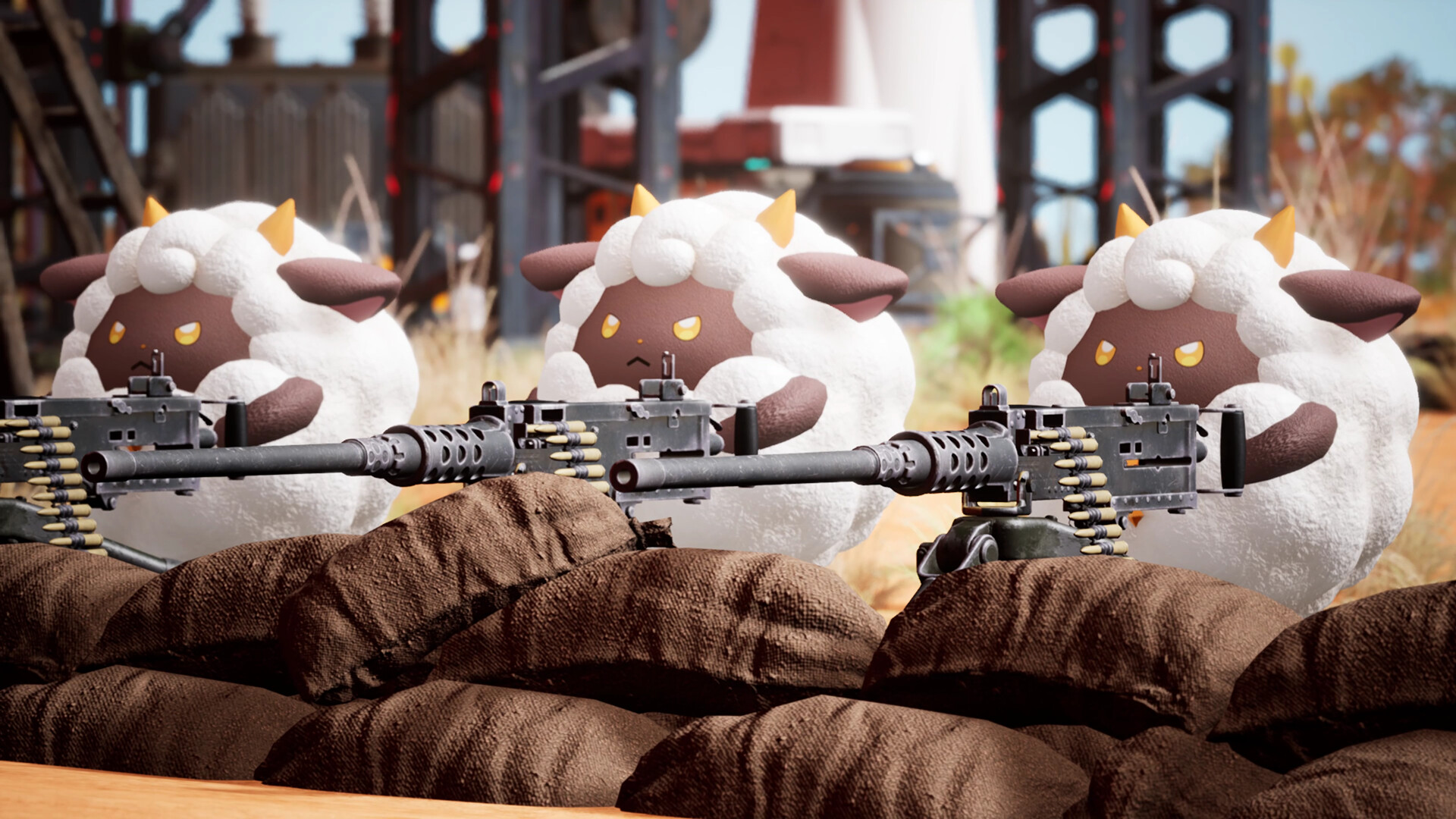
Screenshots


Reviewed by
Palworld Guides Editorial
Expertise: Editorial team behind Palworld Guides. Content is compiled from official patch notes, community wikis, and playthrough notes, then reviewed and updated on schedule.
Sources
Palworld Progression Guides →
Browse the complete progression collection and its focused guides.
Related Guides

🔥 Popular Guides
Idiosyncratic Passive Skill Palworld — Effect, Stacking & Best Pals
Idiosyncratic boosts a Pal's unique trait in Palworld. Learn the exact effect, whether it stacks, which Pals have it, and when to keep or breed it out.
Palworld Hartalis Slab Fragment Beginner Guide
Learn what Palworld Hartalis Slab Fragment is, how to handle it, early priorities, mistakes to avoid, and when you’ve outgrown beginner status.
Palworld Feathered Hair Band Beginner Guide
Learn what the Palworld Feathered Hair Band does, how to use it early, what to craft first, and when you leave beginner stage.
Palworld Beginner Guide: Palworld All Pal Stats Basics
Learn early priorities, common mistakes, and when Palworld beginners are ready to move past the opening phase.
📋 Patch Notes & Updates
🛠️ Popular Tools
Was this guide helpful?
Rate this guide so we can improve it.
Share your own tip
Found something not in the guide? Submit it below — our editors review every tip before publishing. No account required.