 Palworld
Palworld Best Pals to Catch Early to Mid-Game

Quick Answer: The best early-to-mid-game Pals in Palworld are the ones that improve gathering, transport, mining, and combat efficiency fast, such as versatile workers, reliable mounts, and sturdy fighters that reduce grind and unlock new regions safely.
What the early-to-mid-game Pal priority should be
Your early-to-mid-game Pal priority should focus on utility first, combat second, and luxury picks last. In Palworld, the fastest progress comes from catching Pals that help you survive, build, and automate your base instead of only chasing rare damage dealers.
A smart beginner roster usually includes:
- A dependable early mount for map travel and escaping danger
- A worker Pal for wood, stone, and other basic materials
- A combat Pal that can protect you while you explore
- A cooling, watering, or kindling specialist for base production
- A mining or transport Pal for smoother base scaling
That approach matters because Palworld is built around a loop of fighting, farming, building, and working alongside Pals Source. If you catch only “cool” monsters and ignore task coverage, your base progression slows down hard.
For context, the game’s scale can be deceptive: HowLongToBeat currently reports roughly 41.01 hours for the main story and 76.36 hours with extras Source. That is why early efficiency matters so much—every strong utility Pal you catch saves time for dozens of later tasks.
Best Pals to catch early to mid-game
The best early-to-mid-game captures are the Pals that cover multiple job types, stay useful as your base expands, and do not require you to overinvest in specialized breeding or endgame gear.
High-value early catches by role
| Role | What to look for | Why it matters early |
|---|---|---|
| Mobility | A fast mount or quick travel Pal | Lets you scout safely, escape tough fights, and reach better resources sooner |
| Gathering | A Pal with logging or general handiwork | Speeds up building and reduces manual farming |
| Mining | A strong mining Pal | Makes stone and ore progression smoother |
| Base support | Watering, kindling, cooling, or transport | Prevents bottlenecks in crafting chains |
| Combat | A solid all-rounder with good survivability | Keeps you alive while you learn enemy patterns |
If you want the shortest path to a stronger account, think in terms of coverage. One good transport Pal plus one good worker Pal often gives more progress than two niche attackers.
What makes a Pal “worth catching” in this phase
A Pal is worth catching early if it does at least one of these things well:
- Removes a repeated manual chore
- Helps you move faster across the map
- Lets your base operate while you explore
- Gives you a safe, reliable fight option
- Stays relevant without needing perfect passive traits
The practical rule is simple: if a Pal improves your loop every minute you play, it belongs on your catch list.
Catch these types of Pals first
You do not need a perfect exact team on day one. You need roles covered.
- Early mount Pals: prioritize movement and stamina-friendly travel
- Worker Pals: prioritize logging, mining, watering, and kindling
- Tanky frontline Pals: prioritize survivability over flashy burst
- Capture support Pals: anything that helps weaken enemies or extend fights safely
- Transport Pals: prioritize carry help so your base does not stall
This is the essence of Palworld Best Pals to Catch Early to Mid-Game: not the strongest possible roster, but the most efficient one for progression speed.

First-hour checklist
Your first hour should be spent stabilizing survival, unlocking base automation, and securing a few utility Pals before you chase bosses or distant biomes.
0–15 minutes: get the survival loop online
- Collect basic wood, stone, and fiber immediately
- Craft your first primitive tools as soon as they are available
- Catch the first accessible Pals you see so you can start filling base jobs
- Build a simple shelter and a Pal Box
- Place your base near flexible resources rather than deep into dangerous territory
15–30 minutes: set up the base core
- Build crafting stations that support tool and ammo progression
- Assign Pals to basic labor as soon as their work suitability matches the station
- Start hoarding core materials instead of dumping them into cosmetic upgrades
- Make a bed and a basic storage setup
- Craft enough spheres to keep catching instead of returning empty-handed
30–60 minutes: expand your roster and route
- Scout for one good mobility Pal
- Catch at least one base utility Pal and one combat Pal
- Push toward a resource node that gives better long-term returns
- Upgrade your base only when it removes an actual bottleneck
- Leave the area once your team can survive routine encounters without panic
A good first hour is not about “winning” the map. It is about turning your account from manual to semi-automated as quickly as possible.
Resource priority order
Your resource priority order should be spheres and core crafting materials first, base upgrades second, and luxury spending last.
What to hoard first
- Pal Spheres and materials for them: catching progress is account progress
- Core building materials: wood, stone, and anything that unlocks station chains
- Healing and survival items: staying alive saves more time than risky re-clears
- Ammo or combat support materials: only if your current weapon setup needs them
- Upgrade materials for essential workstations: prioritize stations that reduce grind
What to spend on first
- Base infrastructure that unlocks automation
- Capture tools that raise your catch consistency
- Movement improvements that help map access
- Combat upgrades only after your labor and capture economy are stable
What to delay
- Decorative buildings
- Excess duplicates of the same low-impact Pal
- Over-upgrading a weak early weapon
- Unnecessary base relocation
- Spending rare materials on temporary gear
A simple rule works well in the current meta: if an upgrade does not help you catch more Pals, move faster, or automate more work, delay it.
Common newbie mistakes and how to fix them
New players usually lose time by overfighting, overbuilding, and undercatching. Fixing those habits immediately makes the game feel much smoother.
1. Catching only combat Pals
This is a mistake because combat strength alone does not solve your base bottlenecks.
Fix:
- Catch at least one worker Pal for common base tasks
- Prioritize utility roles over pure damage when options are similar
- Keep a balanced roster instead of stacking duplicates of the same attacker
2. Building too far from useful resources
This is a mistake because long travel times quietly destroy early progression.
Fix:
- Place your first base near common resources
- Move only when your current area stops supporting your next unlocks
- Prioritize access to wood, stone, and safe capture routes
3. Wasting materials on low-impact upgrades
This is a mistake because early materials are much more valuable than they look.
Fix:
- Save rare materials for gear or stations that unlock a new layer of progression
- Spend common materials on infrastructure first
- Ask whether the upgrade removes a real bottleneck before crafting it
4. Ignoring stamina, mobility, and escape options
This is a mistake because beginners often die while overcommitting to fights they cannot finish.
Fix:
- Always keep an escape route in mind
- Catch a mobility Pal early
- Retreat if your health, ammo, or healing supply is low
5. Letting your base idle with no task coverage
This is a mistake because a half-working base is almost as inefficient as no base.
Fix:
- Match each Pal to a task it can actually perform
- Reassign workers when your stations change
- Check your labor flow after every major unlock
How to know you are out of the beginner phase
You are out of the beginner phase when your base, capture loop, and travel options no longer depend on constant manual babysitting.
Clear graduation signs
- Your base is producing core materials without you micromanaging every minute
- You have a reliable capture team and are not running out of basic spheres constantly
- You can travel across the map without feeling trapped or underpowered
- You have at least one Pal for each major utility role you currently need
- Routine fights are predictable instead of stressful
Practical milestone checklist
- You can leave base and return with meaningful gains
- Your storage is filling from automation, not from manual farming
- You have enough mobility to choose your fights
- You know which Pals you want for base jobs versus combat roles
- Your next goal is territory expansion or specialization, not survival
Once those conditions are true, you are no longer learning the basics—you are optimizing your account. That is the point where mid-game planning starts to matter more than raw survival.
Next steps after your first utility roster
Your next step should be to move from “good enough” captures to role-specialized teams that support your build and exploration goals.
Use these related guides as your next read:
- related guide for the best beginner base layout
- interactive map all alpha for a mid-game Pal tier list
- related guide for a starter combat build and weapon path
Why these picks stay relevant into mid-game
These Pals matter beyond the opening because utility scales with your entire save, not just your current level.
Palworld has shown strong long-term engagement for a survival game, with Steam’s official review summary currently reading “Very Positive” (94.3% positive) across 443813 reviews Source, and the game’s live player activity remains substantial Source. That kind of ongoing player base usually means the strongest beginner advice is still practical: build stable habits, not gimmicks.
There is also a big content runway to absorb. HowLongToBeat’s current estimates of 41.01 hours main story and 92.74 hours completionist time Source suggest that a careful early roster choice can pay off for a very long playthrough.
You might also like
- Palworld Player Count and Beginner Guide
- Palworld Builds: Leveling to Endgame Build Guide
- Palworld Tier List: Best Pals, Roles, and Meta Picks
- Palworld List of All Status Conditions: Beginner Guide
- Palworld Card Game Beginner Guide
Sources
- https://store.steampowered.com/app/1623730/
- https://howlongtobeat.com/?q=palworld
- https://www.store.steampowered.com/app/1623730/
You might also like
- Palworld Feybreak Update Patch Notes Beginner Guide
- Palworld Beginner Guide
- Palworld How to Get Ancient Technology Points Fast
- Palworld How to Breed High Stat Potential Pals
- Palworld How to Get a Level 5 Work Suitability Pal
See also
- Palworld release date Beginner Guide: getting started with Palworld
- Palworld How to Catch Pals: Beginner Guide
- Palworld Build on Water Guide: A Mobile, Safe, and Flexible Setup
- Palworld All Pal Skins and How to Change
- Palworld Fastest Flying Mounts: Best Flying Pals to Unlock in Order
- Palworld How to Get Applied Ranching Handbook I Beginner Guide
- Palworld How to Farm Ore and Best Locations
- Palworld Fastest Flying Mount: Beginner Guide
- Palworld How to Craft the Egg Incubator to Hatch Pals
- Palworld Beginner Guide: Start Strong in Palworld 1.0
- Palworld Beginner Guide: First Steps, Priorities, and Common Mistakes
- Palworld Beginner Guide: First-Hour Tips, Priorities, and Common Mistakes
- Palworld Cold Resistant Plasteel Armor Beginner Guide
- Palworld All Craftable Items and How to Unlock: Beginner Guide
- Palworld Codes 2026: Active Redeem List
See also
- Palworld Beginner Guide: First Hour, Resources, and Rookie Pitfalls
- Palworld How to Heal and Revive Your Pals
- Palworld Cold Resistant Refined Metal Armor Beginner Guide
- Palworld Heat Resistant Plasteel Armor Beginner Guide
- Palworld How to Get High Quality Pal Oil: Beginner Guide
- Palworld Legendary Blueprints in the Version 0 2 0 6 update: Beginner Guide
- Palworld Beginner Guide: Palworld All Patch Notes and Updates
- Palworld How to Quickly Level Up Your Pals
- Palworld Heat Resistant Pal Metal Armor Beginner Guide
- Palworld How to Change Player and Pal Names: Beginner Guide
- Palworld 1.0 Patch Notes Explained
- Palworld Patch Notes Explained: What Changed and Why It Matters
- Palworld Hartalis Slab Fragment Beginner Guide
- Palworld Update Patch Notes Explained
- Palworld How to Defeat Zoe and Grizzbolt in Beginner Guide
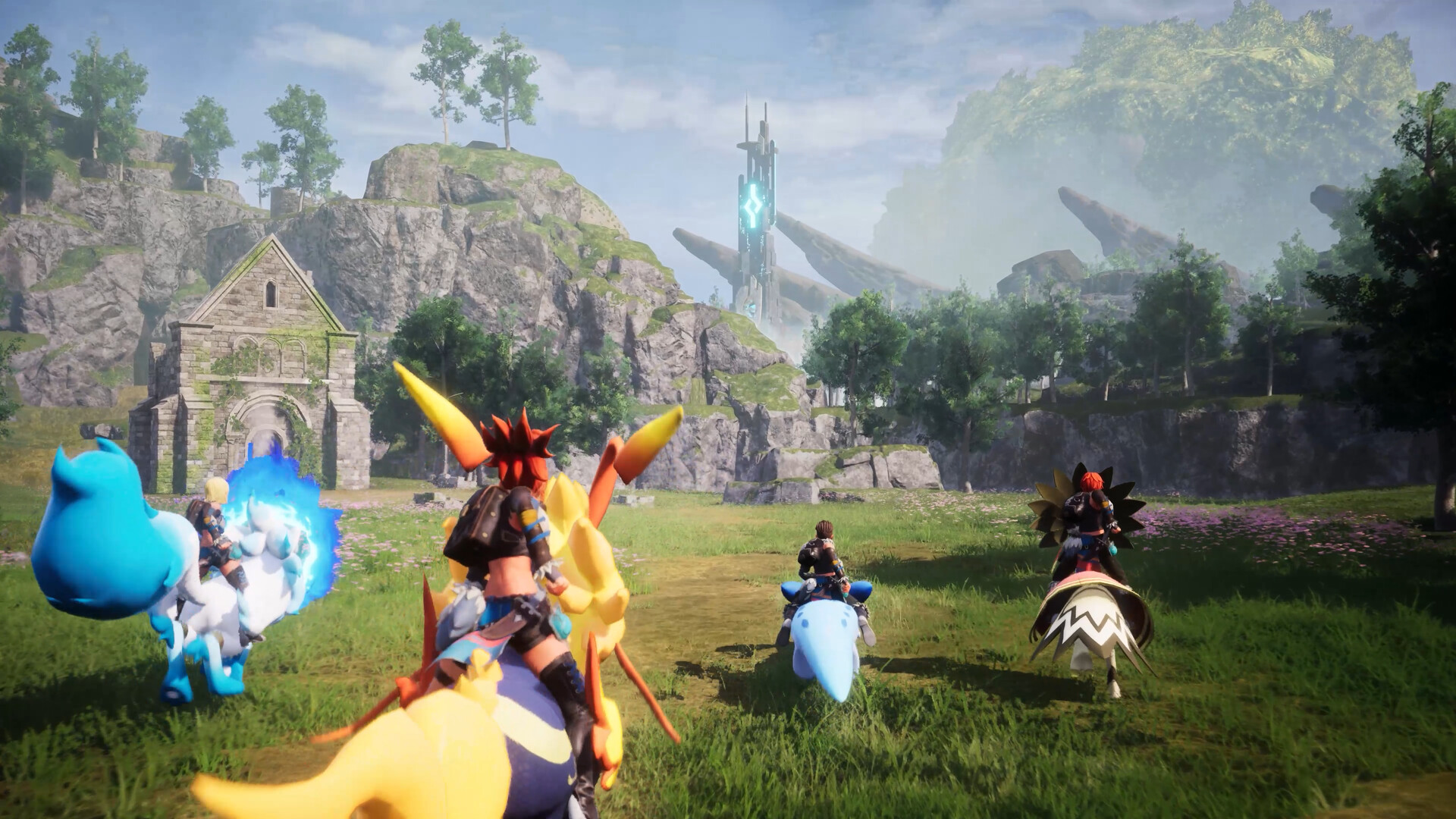
Screenshots


Reviewed by
Palworld Guides Editorial
Expertise: Editorial team behind Palworld Guides. Content is compiled from official patch notes, community wikis, and playthrough notes, then reviewed and updated on schedule.
Sources
Palworld Progression Guides →
Browse the complete progression collection and its focused guides.
Related Guides



🔥 Popular Guides
Idiosyncratic Passive Skill Palworld — Effect, Stacking & Best Pals
Idiosyncratic boosts a Pal's unique trait in Palworld. Learn the exact effect, whether it stacks, which Pals have it, and when to keep or breed it out.
Palworld Feathered Hair Band Beginner Guide
Learn what the Palworld Feathered Hair Band does, how to use it early, what to craft first, and when you leave beginner stage.
Palworld Beginner Guide: Palworld All Pal Stats Basics
Learn early priorities, common mistakes, and when Palworld beginners are ready to move past the opening phase.
Palworld Building Hold to Toggle Build Guide
Learn how to enable Palworld build toggle, optimize base-building, set priorities, and avoid common setup mistakes.
📋 Patch Notes & Updates
🛠️ Popular Tools
Was this guide helpful?
Rate this guide so we can improve it.
Share your own tip
Found something not in the guide? Submit it below — our editors review every tip before publishing. No account required.