 Palworld
Palworld Partner Skills Beginner Guide: How to Use Pals, Priorities, and Progress Fast

Quick Answer: Palworld Partner Skills are each Pal’s special ability, and beginners should learn which ones help in combat, exploration, and base work first so they can build faster, survive longer, and avoid wasting resources.
Palworld is an open-world survival crafting game where you fight, farm, build, and work alongside “Pals” as you explore, expand your base, and unlock stronger tools and team setups. Source
What Palworld Partner Skills Actually Do
Palworld Partner Skills are the unique abilities tied to each Pal, and they often matter more than raw stats when you are deciding who to keep, deploy, or invest in. A beginner-friendly team is not just “strong Pals,” but Pals whose Partner Skills solve real problems: getting around faster, helping in battle, or making your base more efficient.
In practice, these skills fall into a few easy-to-understand buckets. Some are movement tools, like Pals that help you glide, fly, or travel over water and terrain. Others are combat tools, like a Pal that boosts mounted damage or makes your attacks safer at range. The rest are utility tools, especially the Partner Skills that support work at base, crafting, or resource gathering. If you treat Partner Skills as a toolbox instead of a damage checklist, the game gets much easier.
Here are the most useful beginner examples to think about:
Movement-focused Partner Skills
- Good when you are still unlocking the map and need safer travel.
- Useful examples include Pals that help with mount speed or aerial movement.
- These skills are great for escaping tough encounters and reaching better ore, wood, or dungeon routes.
Combat-focused Partner Skills
- Good when you are tackling tower bosses, alpha Pals, or hostile camps.
- These often improve your damage, attack pattern, or survivability while mounted or active.
- They are especially valuable if you use one Pal as your main combat partner for a while.
Base utility Partner Skills
- Good when your early base is constantly short on materials.
- These skills can reduce manual work by improving gathering, transport, or field efficiency.
- They become more important once you start running multiple production lines.
A simple way to judge whether a Partner Skill is “good” is to ask: does this save time, reduce danger, or make a repeated task easier? If the answer is yes, it is probably worth keeping. That is why many beginners get more value out of a utility Pal than an apparently flashy battle Pal.
The early-game trick is to avoid overthinking perfect optimization. You do not need a theoretical endgame roster on day one. You need a practical lineup that covers movement, fighting, and base chores. Once that foundation is in place, you can start comparing better variants, breeding goals, and specialization paths later in your run. For a deeper progression route, see interactive map all alpha and related guide.
First-Hour Checklist
Your first hour in Palworld should focus on survival, movement, and unlocking the basic loop, not on perfecting your long-term base. The fastest way to get rolling is to gather, craft, catch, and establish one functional camp before you start chasing rare creatures or advanced builds.
Step 1: Grab the basics immediately
- Collect wood, stone, and fiber from the starting area.
- Craft your first primitive tools as soon as the game allows.
- Pick up every low-risk resource you see, including scattered drops and early plants.
- Catch nearby low-level Pals so you can see how Palworld Partner Skills affect your next moves.
You want early material momentum because almost everything in the opening hour feeds into tools, a weapon, a bed, a base, or Pal Spheres. If you skip the simple gathering loop, you end up stuck with empty inventory slots and no flexibility.
Step 2: Build a tiny starter base
Your first base should be small, easy to defend, and close to useful resources. A flat area near wood, stone, and a simple travel route is more valuable than a pretty scenic location. Set up the basics first:
- A Palbox to define your base
- A shelter or bed for respawning and recovery
- Storage so you stop overfilling your inventory
- Production stations you can actually use right away
Do not overbuild. A beginner base that is compact and efficient will outperform a sprawling camp full of unfinished stations.
Step 3: Catch useful Pals, not just cute ones
Catching Pals early is not only about combat power. It is about unlocking convenience. Even common Pals can be excellent because their Partner Skills or work suitability may solve problems your starting gear cannot.
Good early examples to look for include:
- A Pal that helps you travel faster or survive in rough terrain
- A Pal that performs useful base tasks reliably
- A Pal that gives you a stronger early combat option than your starter tools alone
The point is to build a roster that lets you do more with less manual labor. One good travel Pal, one decent fighter, and one productive base Pal is enough to carry the opening stretch.
Step 4: Spend your first progression on convenience
The first upgrades should make your life easier, not simply raise a stat on paper. Unlocking crafting recipes, base structures, and better capture tools usually pays off faster than minor combat improvements. If you have a choice between a marginal damage boost and better mobility or capture consistency, take the option that opens more of the game.
Step 5: Test one combat rhythm and one base rhythm
By the end of your first hour, you should know two things:
- Which Pal you like using in field fights
- Which Pals are best for early work at your base
That gives you a real foundation for deciding which Partner Skills to prioritize next. If a Pal is excellent in your hands during exploration but useless at base, that is fine. If another Pal is slow in combat but keeps your camp productive, that is also fine. Early success comes from coverage, not perfection.

You might also like
- Palworld Legendary Blueprints in the Version 0 2 0 6 update: Beginner Guide
- Palworld Beginner Guide: First Steps, Priorities, and Common Mistakes
- Palworld Fastest Flying Mounts: Best Flying Pals to Unlock in Order
- Palworld UE-Pal Exception Access Violation Bug Fix: Beginner Guide
- Palworld Beginner Guide
Resource Priority Order: What to Spend, Hoard, and Craft First
Your resource priority should favor capture, survival, and base momentum before luxury upgrades, because early Palworld punishes waste much more than it rewards greed. A beginner who hoards everything “for later” usually ends up undergeared, underbuilt, and stuck with a messy inventory.
| Priority | Spend On First | Why It Matters | Hold Off On |
|---|---|---|---|
| 1 | Basic tools and capture supplies | Lets you gather, fight, and catch without stalling | Cosmetic or redundant builds |
| 2 | Base essentials | Storage, shelter, and production stations keep your loop moving | Large decorative layouts |
| 3 | Mobility and travel support | Improves route efficiency and escape options | Extra copies of low-value gear |
| 4 | Combat upgrades | Better weapons and Pal support help with bosses and dangerous zones | Fine-tuning a full endgame loadout |
| 5 | Specialization items | Only invest once your core loop is stable | Early overinvestment in niche systems |
The biggest beginner trap is spending resources on things that look useful but do not solve immediate problems. A second storage chest is usually better than a decorative structure. A functional weapon is better than hoarding materials for a future build you cannot sustain yet. A reliable Pal that can work or fight is better than holding out for a “perfect” capture that may not happen soon.
What to hoard
- Rare materials you do not yet understand
- Anything tied to later crafting tiers
- Upgrade items that appear scarce in your current area
- Strong Pals you do not currently use but might need for fusion, breeding, or work assignments later
You should especially avoid burning rare items just because you can craft something right now. If a resource is uncommon in your current biome or feels hard to replace, keep it until you know the value of the unlock.
What to spend freely
- Basic gathering materials
- Early building materials for a functional base
- Ammunition or capture-related supplies when they clearly improve your current loop
- Quality-of-life upgrades that let you travel or fight more safely
The rule of thumb is simple: spend on anything that shortens the distance between “I need this” and “I already have it.”
What to craft first
Your first craft priorities should support a stable loop:
- Better gathering tools
- Basic capture support
- Simple storage and production
- Any early equipment that makes your first strong Pal easier to protect and use
If a craft helps you collect more, catch more, or carry more, it probably belongs near the top of the list. That is especially true when you are trying to make Palworld Partner Skills work for you instead of fighting against your setup.
Common Mistakes New Players Make
The most common newbie mistakes in Palworld all come from trying to move too fast in the wrong direction. The good news is that each one has a simple fix, and once you know the patterns you can avoid wasting hours.
Building a huge base too early
- Why it happens: big bases look exciting, and beginners assume more space means more power.
- Fix: start with a compact, flat base near resources, then expand only after production is stable.
Ignoring Partner Skills when choosing Pals
- Why it happens: new players focus on level, rarity, or appearance and overlook utility.
- Fix: keep at least one Pal for travel, one for combat, and one for base work so your team has actual roles.
Spending rare materials on low-impact upgrades
- Why it happens: early crafting menus can make many items look equally important.
- Fix: reserve uncommon resources for upgrades that improve capture, mobility, or survival first.
Carrying too many different items at once
- Why it happens: beginners fear leaving anything behind.
- Fix: maintain a clean inventory by dumping surplus materials into storage and only carrying what supports your current task.
Chasing strong enemies before your loop is ready
- Why it happens: open-world freedom tempts players into dangerous fights too soon.
- Fix: prepare one reliable combat Pal, enough supplies, and a safe retreat route before challenging bosses or tough zones.
Treating base Pals like combat Pals
- Why it happens: players often assume the best battler is the best overall companion.
- Fix: match the Pal to the job; a productive worker can be far more valuable than a flashy fighter if your camp is slow.
Not testing one Pal at a time
- Why it happens: swapping too many companions makes it hard to understand what each Partner Skill actually does.
- Fix: run one Pal for travel, one for combat, and one for work long enough to feel the difference.
If you fix just these problems, your early game becomes dramatically smoother. Most “I am stuck” moments are really “my priorities are off” moments.
Graduation Threshold: When You’re Out of the Beginner Phase
You are out of the beginner phase when your base, team, and travel options can support steady progress without constant emergency resets. That point does not happen the second you build a shelter; it happens when your systems start feeding each other reliably.
A beginner is still learning the game’s loops. A midgame player has a working routine. The easiest way to tell the difference is by checking whether you can do the following without scrambling:
- Keep a stable base running while you explore
- Catch or replace Pals without breaking your whole economy
- Travel to new areas and return with meaningful loot
- Fight local threats without burning all your resources
- Understand which Palworld Partner Skills belong in your lineup and why
You are probably leaving the beginner phase when:
- You have a base that consistently produces essentials
- You know which resources are worth hoarding
- You have at least one Pal you trust for combat and one for utility
- You can make informed decisions about whether a new Pal is worth keeping
- You stop asking “what do I need right now?” and start asking “what should I optimize next?”
A strong milestone is when your first base no longer feels fragile. If one bad night or one awkward fight can collapse your progress, you are still in the beginner phase. If you can lose a little time and recover quickly, you have crossed into a more stable stage.
Another practical sign is confidence in the world map. Beginners tend to stay near the spawn loop because they are unsure what matters. Once you start routing around specific materials, targeting particular Pals, and using travel skills to reach better zones on purpose, you are no longer wandering. You are progressing.
For perspective, Palworld’s broader player interest is massive: Steam’s official review summary currently reads “Very Positive” at 94.4% positive across 449929 reviews, and there are about 525340 players in game on Steam right now. Source That kind of ongoing activity is exactly why learning the fundamentals matters; the game rewards players who understand the loop rather than only the loudest trend.
If you want the next layer of growth, start comparing builds, breeding goals, and base specialization. That is the point where beginner guidance gives way to more focused strategy, and where your Palworld Partner Skills choices start shaping your entire playstyle.
Pro Tips
The best beginner-to-midgame gains usually come from small habits that compound fast, not from one giant breakthrough. These tips go beyond the obvious and help you squeeze more value out of every Pal, route, and base decision.
Tip 1. Keep one “utility main” and one “combat main”
Use one Pal as your default travel or base-support choice and another as your default battle partner so you are never forced to compromise every time you leave camp. This is especially strong when your utility Pal has a Partner Skill that speeds up movement or resource collection, while your combat Pal carries a safer, more direct fighting pattern.
Tip 2. Re-check a Pal after unlocking better gear
A Pal that felt mediocre early can become excellent once you have improved weapons, better capture tools, or a more reliable base. Test the same Pal again after a few upgrades; some Partner Skills become much more valuable when your whole setup is stronger.
Tip 3. Build around your travel route, not around the base menu
If your resource loop includes stone, wood, and a nearby danger pocket, place your base where you can return quickly with full loads. A shorter commute often matters more than a prettier foundation, especially when your Pals are still developing.
Tip 4. Use common Pals as “test units”
Before you commit to rare favorites, practice with common creatures that are easy to replace. This gives you a low-risk way to learn how certain Partner Skills feel in combat or around the base without worrying about perfect preservation.
Tip 5. Treat capture attempts as resource decisions
If a target is high risk and your supply situation is weak, wait. If you have enough tools and a clean escape path, take the shot. Good players do not just ask whether they can catch something; they ask whether the attempt is worth the cost.
Tip 6. Upgrade your routine before your ambition
A smooth loop with a modest Pal team is better than a flashy roster that constantly needs rescue. Prioritize consistency, then scale up. That mindset keeps you from burning mats on projects that sound good but do not help you survive the next five minutes.
Tip 7. Watch for synergy between work and travel
A Pal that helps you move faster to a resource node can be just as valuable as a Pal that gathers the resource itself. When you think in terms of route efficiency, Palworld Partner Skills become a planning tool instead of just a combat gimmick.
Related Guides
- Best Early-Game Pals
- Palworld Base Building Guide
- Palworld Breeding Combos
- Palworld Boss Order and Progression
- Palworld Best Starter Build
- Palworld Fast Travel and Exploration Tips
Sources
- https://store.steampowered.com/app/1623730/
- https://store.steampowered.com/app/1623730/
- https://howlongtobeat.com/?q=palworld
- https://api.steambase.io/games/1623730
- https://www.protondb.com/app/1623730
- https://www.xbox.com/xbox-game-pass
- https://steamcommunity.com/stats/1623730/achievements
See also
- Palworld All Player Attack Boosting Partner Skills Beginner Guide
- Palworld Not Found Session 91 Bug Fix: Beginner Guide for New Players
- Palworld What Carries Over to Version 1 0 Beginner Guide
- Palworld Beginner Guide
- Palworld List of Pals that Improve Carry Capacity: Beginner Guide
- Palworld Version 1 0 Release Time and Countdown Beginner Guide
- Palworld Beginner Guide: First-Hour Tips, Priorities, and Common Mistakes
- Palworld All Player Defense Boosting Partner Skills: Beginner Guide
- Palworld How to Get a Level 5 Work Suitability Pal
- Palworld Rare Drops List and Best Rare Drops to Farm
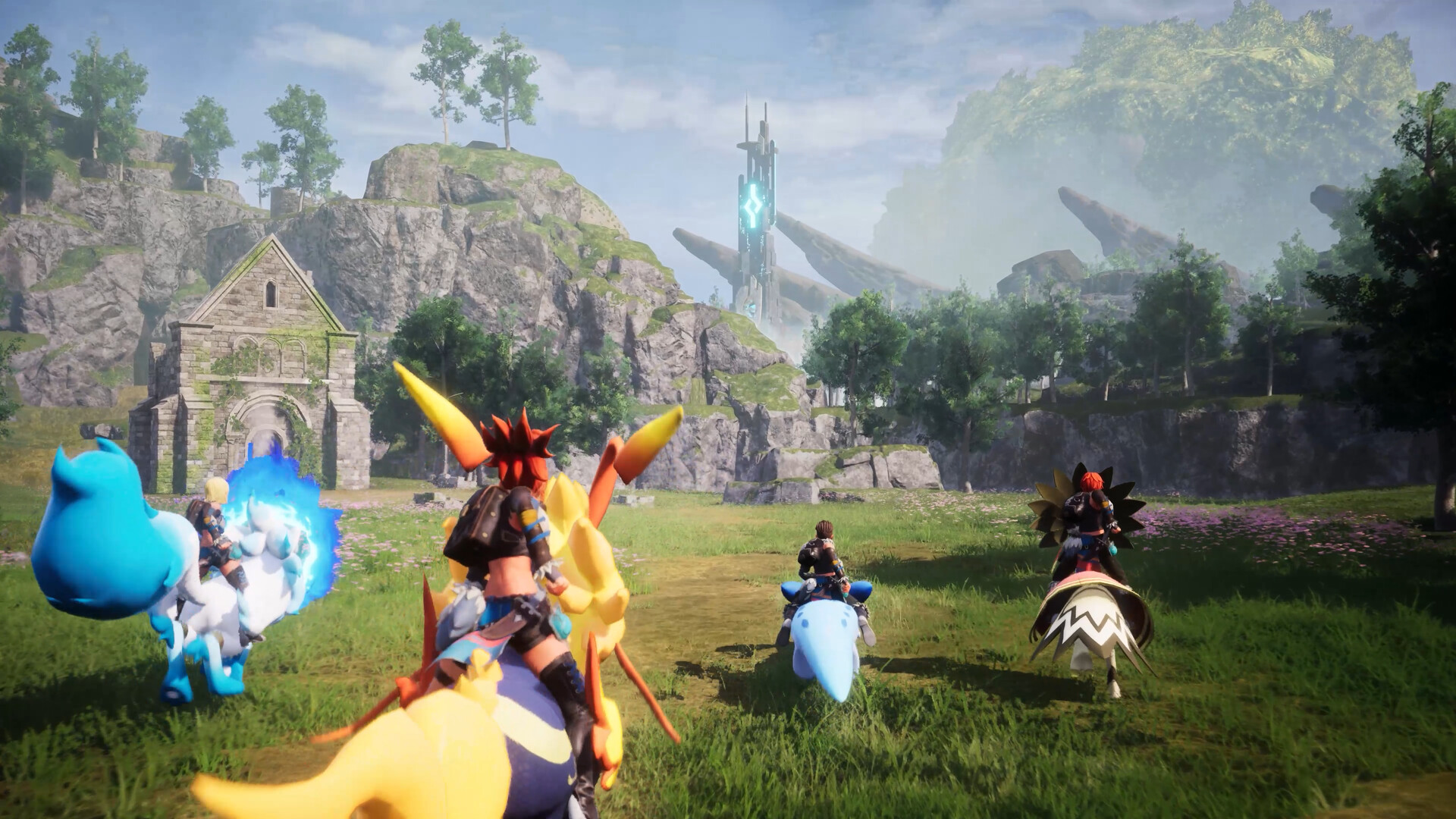
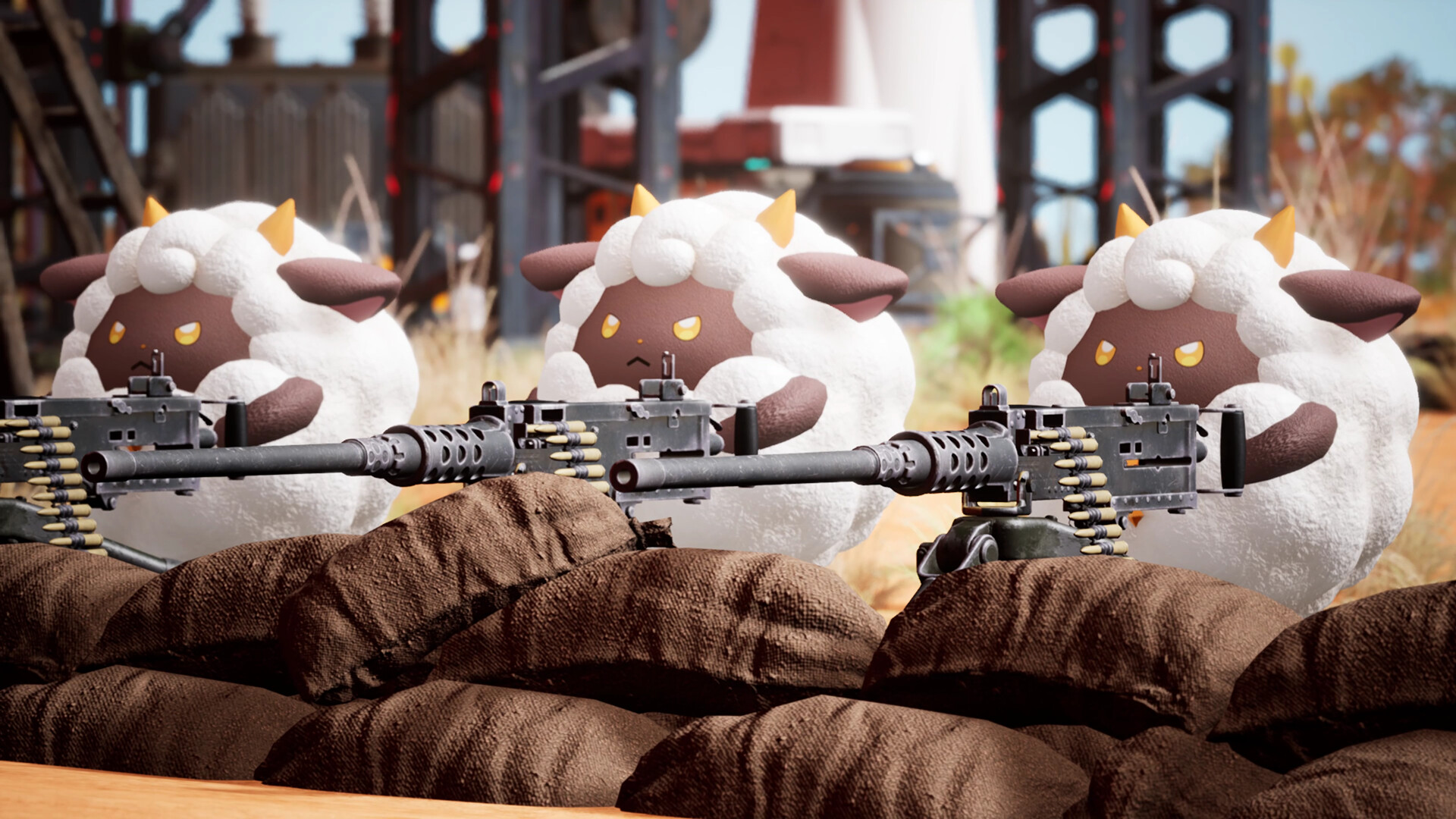
Screenshots


Reviewed by
Palworld Guides Editorial
Expertise: Editorial team behind Palworld Guides. Content is compiled from official patch notes, community wikis, and playthrough notes, then reviewed and updated on schedule.
Sources
Palworld Progression Guides →
Browse the complete progression collection and its focused guides.
Related Guides




🔥 Popular Guides

Palworld complete guide to base building in palworld: Complete Base Building Guide
Learn Palworld base building with layouts, automation tips, Pal management, locations, and advanced strategies for efficient bases.
Palworld Points of No Return — What You Cannot Undo
Palworld points of no return explained: story locks, base relocation limits, and Pal releases you cannot undo. Know these before you progress.
Idiosyncratic Passive Skill Palworld — Effect, Stacking & Best Pals
Idiosyncratic boosts a Pal's unique trait in Palworld. Learn the exact effect, whether it stacks, which Pals have it, and when to keep or breed it out.
Palworld Hartalis Slab Fragment Beginner Guide
Learn what Palworld Hartalis Slab Fragment is, how to handle it, early priorities, mistakes to avoid, and when you’ve outgrown beginner status.
📋 Patch Notes & Updates
🛠️ Popular Tools
Was this guide helpful?
Rate this guide so we can improve it.
Share your own tip
Found something not in the guide? Submit it below — our editors review every tip before publishing. No account required.