 Palworld
Palworld Old Bow Beginner Guide: Getting Your First Hunt Right
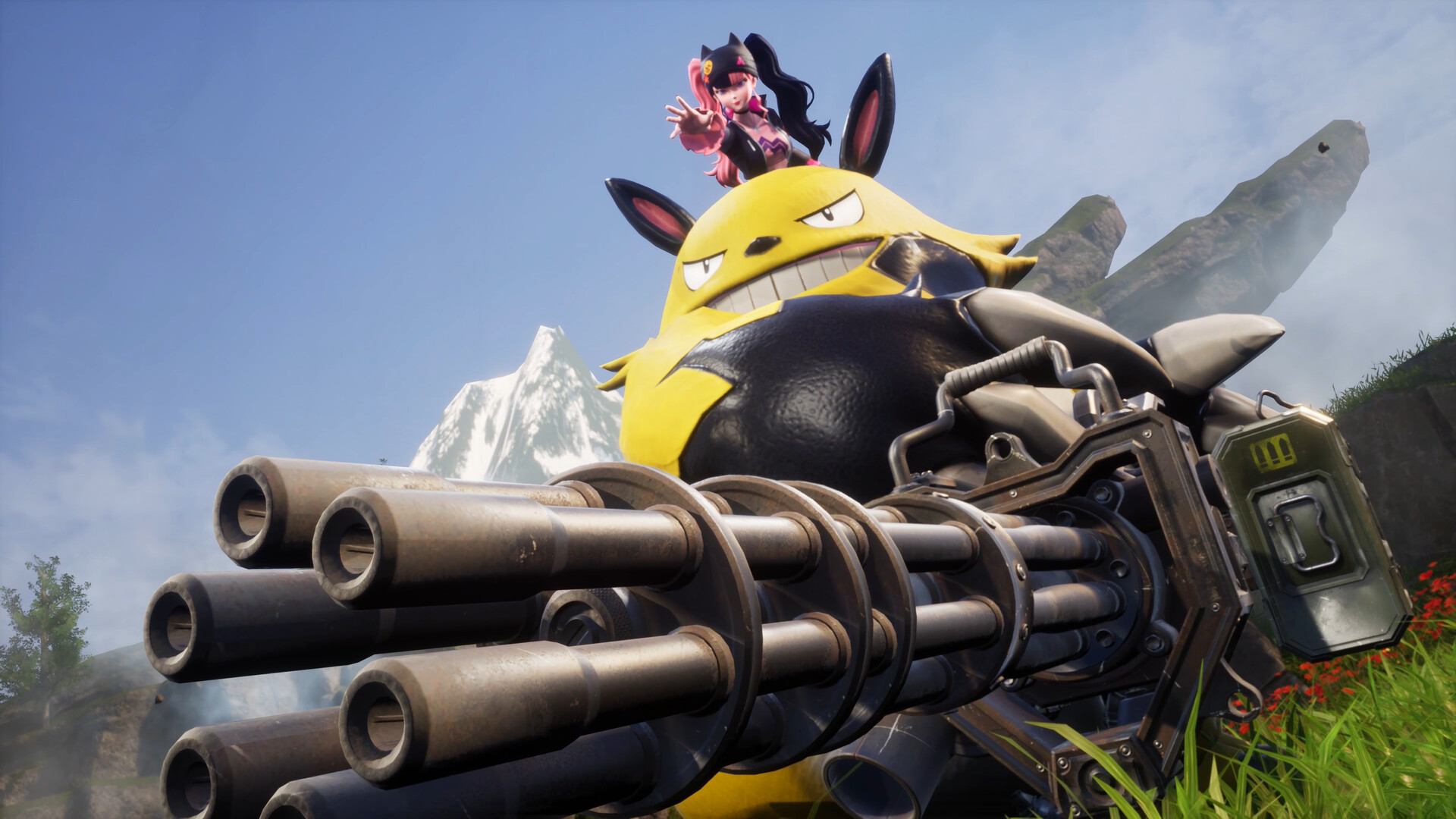
Quick Answer: The Palworld Old Bow is your first real ranged crutch: craft it early, pair it with basic arrows, use it to safely weaken wild Pals, and then replace it once you have stronger weapons and better base progression.
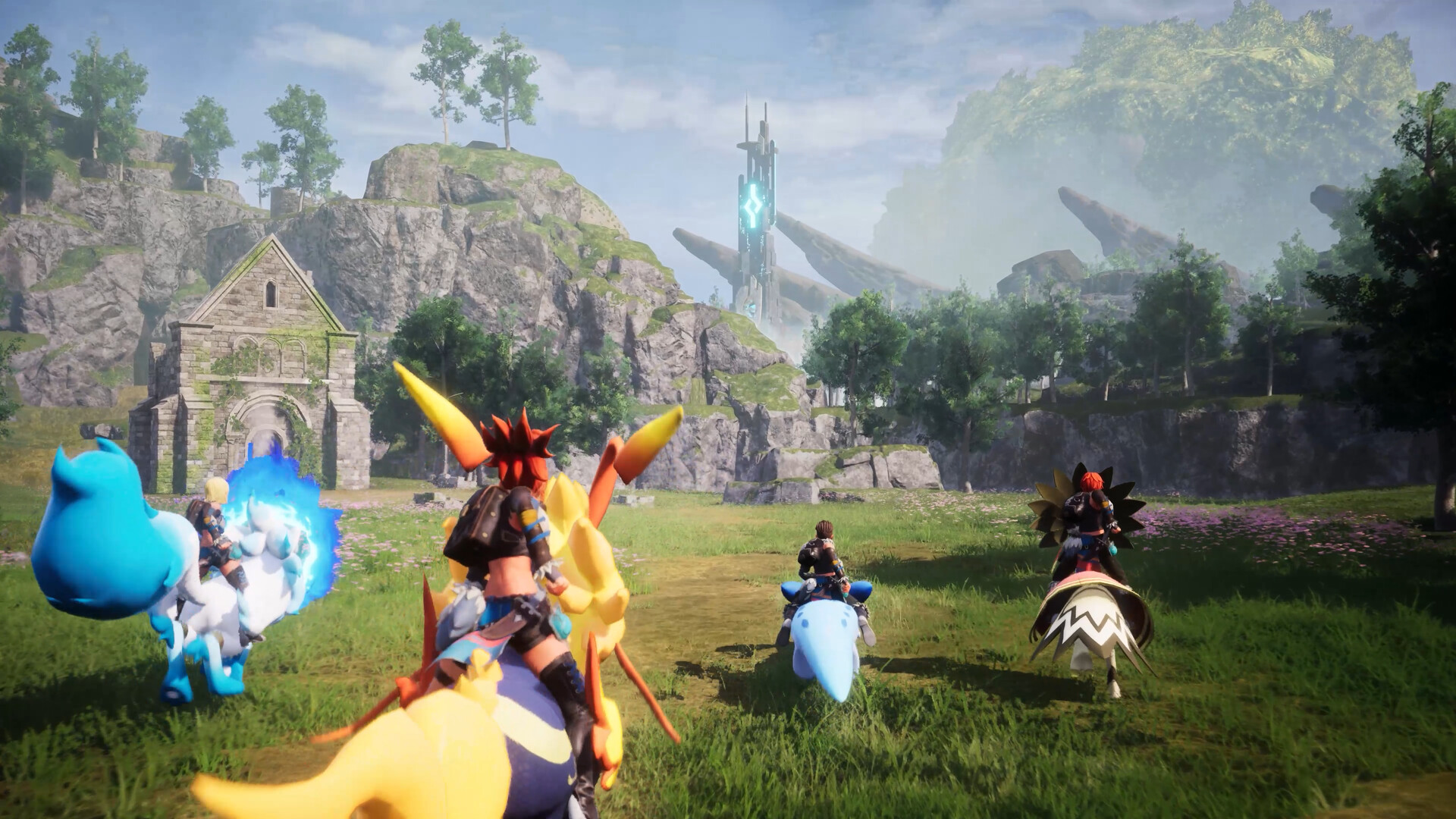
Palworld is a monster-taming survival game made by Pocketpair, and it can feel like “cute creature friends” for about five minutes before the survival systems start asking for your lunch money. The Old Bow is one of the earliest tools that keeps you alive while you learn the ropes, especially when you’re still figuring out where to mine, what to craft, and which Pals are worth recruiting.
Steam currently describes the game as a multiplayer open world survival and crafting game where you “fight, farm, build and work alongside mysterious creatures called Pals” Source. That’s the whole vibe: you are never just doing one thing. You are gathering wood, bonking ore, feeding your base, catching creatures, and trying not to get deleted by something with a bigger health bar than your confidence.
A good beginner plan is simple: unlock the Old Bow, keep your early materials organized, focus on survivability first, and don’t waste resources on shiny stuff before your base can actually support it. That’s the difference between a smooth opening and spending your first hour wondering why you have 17 berries, one broken club, and three Pals doing emotional labor at your camp.
What the Palworld Old Bow Does for Beginners
The Palworld Old Bow gives you safe early-game damage, and that safety matters more than raw power when you are still learning enemy patterns and capture timing. It is not a “main weapon forever” kind of tool; it is a starter bridge that helps you control fights, soften targets for capture, and avoid walking face-first into danger.
For beginners, the Old Bow is useful in three common situations:
- Softening wild Pals before capture: A low-health target is easier to catch, and ranged damage lets you avoid accidentally overcommitting in melee.
- Fighting weak hostiles from a distance: Early enemies like low-tier wild Pals and simple base threats are much easier to handle when you can kite them.
- Pulling one target out of a group: If you spot multiple enemies, a single bow shot can drag one away instead of turning the whole area into a brawl.
The important mindset is that the Old Bow is a control tool, not just a damage stick. It lets you decide when the fight starts. That matters in Palworld because early survival often comes down to whether you can keep a battle manageable long enough for your Pals to help. If you rush into combat with only melee, you can get swarmed, burn through healing items, or waste capture chances by accidentally blasting a target into the dirt.
There’s also a practical crafting angle. Early-game materials are limited, so anything that stretches your usefulness per resource is good value. The Old Bow usually fits that bill because it helps you hunt, defend, and capture without forcing you to spend all your early resources on one fancy upgrade path. In other words: it’s the kind of bargain-bin hero that quietly carries your first stretch of the game.
If you want to think like a beginner-friendly loadout, pair the Old Bow with basic healing, a simple melee backup, and a few Pals that can tank or distract. That combination keeps you flexible until your tech tree opens up into more specialized weapons and base roles.
First-Hour Checklist
Your first hour should focus on unlocking survival basics, securing resources, and getting the Old Bow online before you wander too far from safety. The first hour in Palworld is less about “min-maxing” and more about building a tiny momentum engine so you stop feeling poor and fragile every ten seconds.
1) Gather core materials immediately
Start by chopping wood, picking up stone, and grabbing anything else lying around near your spawn. You want enough basic resources to unlock the first round of tools, crafting stations, and shelter pieces without constant backtracking. If you see easy pickups on the ground, take them. Early Palworld is a game of “I’ll need this later,” and later arrives suspiciously fast.
2) Make the simplest possible survival toolkit
Craft the earliest tools you can access, then move toward the Old Bow as soon as your materials allow it. A starter melee weapon, primitive gathering tools, and basic food support make your life much easier. The Old Bow should come online early because it protects you from getting bullied by anything you cannot safely face-tank yet.
3) Establish a base near useful resources
Settle somewhere with practical access to wood, stone, and enough open space to work. You do not need the prettiest location; you need one that reduces walking time. If your camp is far from everything, you will spend more time commuting than progressing. That’s not survival, that’s unpaid labor.
4) Catch a few early Pals for utility
Pick up a couple of early Pals that help with combat or base chores. For a beginner, the best early choices are usually the ones that reduce friction: something that can fight alongside you, something that helps in the base, and something that makes gathering less annoying. The exact “best” depends on what you find, but the principle stays the same.
5) Unlock and craft the Old Bow early
Once you have the materials and crafting access, make the Old Bow as soon as practical. It turns awkward early encounters into manageable ones. You do not need to wait until you feel “ready”; the bow is part of what makes you ready. Also, having ranged damage means you can engage threats from safer angles while your Pals move in.
6) Test your capture rhythm on weak targets
Find a few low-risk wild Pals and practice lowering their HP without overkilling them. This helps you learn when to stop shooting, when to let your Pals help, and how much damage your current setup actually deals. A beginner who learns capture pacing early will save a ton of time later.
7) Stock a tiny buffer of food and healing
Do not let your inventory live on the edge. Carry enough food to keep yourself from stalling and enough recovery items to survive a bad pull. Your first hour should create a cushion, not a masterpiece.
A solid early-game flow looks like this:
- Gather wood and stone.
- Craft basic tools and shelter.
- Start a simple base.
- Catch utility Pals.
- Unlock the Old Bow.
- Practice safe capture attempts.
- Store extra materials instead of hoarding junk in your pockets like a goblin.
If you do those things, your opening hour will feel much less chaotic, and the Old Bow becomes part of a sensible survival loop instead of a panic button.

You might also like
- Palworld Legendary Blueprints in the Version 0 2 0 6 update: Beginner Guide
- Palworld Beginner Guide: First Steps, Priorities, and Common Mistakes
- Palworld UE-Pal Exception Access Violation Bug Fix: Beginner Guide
- Palworld Beginner Guide
- Palworld All Player Attack Boosting Partner Skills Beginner Guide
Resource Priority Order
Your resource priority order in Palworld should be survivability first, base functionality second, and luxury upgrades last. That means the Old Bow is important, but it should sit in a balanced queue rather than eating every material you find like it’s at an all-you-can-eat buffet.
Here’s the clean beginner priority order:
| Priority | Spend On | Why It Comes First | Examples |
|---|---|---|---|
| 1 | Core survival tools | They improve every minute of play | Basic gathering tools, simple food, healing items |
| 2 | Base foundations | They unlock work efficiency | Crafting stations, storage, shelter pieces |
| 3 | Palworld Old Bow and ammo | They improve safety and capture control | Old Bow, basic arrows, ranged pull tools |
| 4 | Pal utility support | They multiply your progress | Pals that help with transport, combat, or work |
| 5 | Upgrades and specialization | They matter after your basics are stable | Better weapons, larger base setups, niche builds |
What to hoard
You should hoard materials that unlock flexibility, not every scrap of junk you see. In practice, that means keeping a small stash of:
- Wood and stone for basic construction.
- Ore or other progression materials when you start finding them.
- Food ingredients that let you recover without constant trips.
- Any resource that is used in multiple crafting chains.
The reason is simple: beginner players often spend too aggressively on one project and then get stuck when the next project appears. If you spend everything on cosmetics, oversized structures, or a weapon you can’t support with ammo, you create a bottleneck. The Old Bow is cheap enough to be a good early investment, but even then, you want enough leftover materials to keep your base and food loop alive.
What to craft first
Your crafting order should usually follow this logic:
- Basic gathering tools.
- Storage and base essentials.
- Healing and food support.
- Palworld Old Bow.
- Ammunition and backup supplies.
- Optional early comfort items.
That sequence gives you a good balance between mobility, self-defense, and long-term expansion. If you craft the bow before you’ve stabilized your food and storage, you may technically be “armed,” but your actual progress will still feel shaky. A weapon is helpful; a functioning camp is what lets you stay productive.
What not to overspend on
Do not overspend on these early:
- Large decorative builds before your base is stable.
- Excess weapons you can’t maintain.
- Rare-looking upgrades you don’t understand yet.
- Too many capture attempts on high-risk targets that drain resources.
Think of early Palworld economy like a backpack with too many bad decisions in it. Every slot you waste on a shiny mistake is one less slot for the stuff that keeps you moving.
If you keep the Old Bow as part of a broader survival plan, it becomes a smart investment instead of a resource sink. That’s the beginner sweet spot: spend enough to get safer, but not so much that you bankrupt your own momentum.
Common Mistakes
Common mistakes in Palworld usually come from players trying to play like they’re already in the midgame, and the Old Bow is often misused because of that. The fix is not “play slower forever.” It is “make your early decisions less silly.”
1) Ignoring the Old Bow and staying melee-only
Many beginners stay in close range because melee feels straightforward, but that leads to taking unnecessary damage and ruining capture setups. They get excited, rush in, and suddenly they are eating hits from something they could have safely kited.
Fix: Craft the Palworld Old Bow early and use it to start fights from range. Open with a few shots, then switch to melee only when the target is already controlled or nearly finished.
2) Overkilling capture targets
Players often keep shooting after a wild Pal is already low, then wonder why their catch rate feels miserable. They panic, press the advantage, and accidentally turn a possible capture into a dead enemy.
Fix: Stop attacking sooner than you think you should. Use the bow to lower HP, then shift into capture mode the moment the target is weak enough. If you’re unsure, leave more health than you normally would and learn the threshold by feel.
3) Spending all materials on the wrong upgrades
It is very easy to dump resources into pretty structures, redundant gear, or tools you won’t use long enough to justify the cost. New players love progress bars, and the game loves punishing bad spending habits.
Fix: Prioritize tools, base stability, and the Old Bow before luxury upgrades. If a craft doesn’t improve survival, gathering, or capture consistency, postpone it.
4) Building a base too far from useful resources
A scenic base with terrible access becomes a daily annoyance. You spend half your time running back and forth instead of crafting or capturing.
Fix: Move or build near a practical mix of wood, stone, and open space. The perfect view is worthless if every supply run feels like a pilgrimage.
5) Letting Pals sit idle when they could be helping
Beginners sometimes catch Pals and then forget to assign them meaningful work or combat support. That means they are carrying the entire early game alone, which is both inefficient and a bit rude to the little guys.
Fix: Use your early Pals for tasks they’re actually suited for, such as helping in base work, distracting enemies, or supporting hunts. Even a modest helper Pal can make the Old Bow much more effective by keeping targets occupied.
6) Wandering too far before you have backup
Exploring early without supplies, strong Pals, or a functional return plan is how people end up making the exact same mistake twice in a row.
Fix: Keep your first exploration loops short. Gather, return, deposit, and then push farther once your gear, food, and captures are more stable.
7) Treating ammunition and crafting support as optional
A bow without enough support is just a fancy twig. If you craft the Old Bow and then neglect the resources needed to keep using it, your “ranged build” becomes a very short-lived idea.
Fix: Pair the bow with a consistent material routine. Gather the things needed to keep shooting, and don’t assume one craft is enough on its own.
These mistakes are common because Palworld gives you a lot to do immediately. The good news is that almost all of them are fixable with better sequencing rather than perfect skill.
Common Mistakes
Here’s a more practical beginner checklist of what to avoid, because sometimes the best advice is just “don’t do the goofy thing.”
Using the Old Bow as a panic weapon instead of a plan.
Players often wait until they are already in trouble before switching to ranged safety.
Why it happens: They treat bows as backup tools instead of fight openers.
Fix: Start fights with the Old Bow, especially against unknown wild Pals, and use melee only when the situation is already under control.Ignoring food and healing until the last possible second.
People get focused on damage and forget that surviving in the open world is still a food-and-recovery game.
Why it happens: Food feels boring compared to catching monsters.
Fix: Keep a small food reserve in your inventory and return to base before supplies are completely empty.Catching anything that moves.
New players over-collect random Pals and then wonder why their base feels cluttered and their inventory is full.
Why it happens: Early game enthusiasm; the game makes catching feel very rewarding.
Fix: Focus on a few Pals that solve immediate problems: one for base work, one for combat, one for gathering or movement.Ignoring where your base is relative to progress goals.
A bad location can quietly slow everything down.
Why it happens: Players pick the first flat patch of land they see.
Fix: Choose a spot that reduces trips for wood, stone, and your next expected resource tier.Buying into “upgrade fever.”
You see a new craft and assume it is automatically better than everything you already have.
Why it happens: RPG brain says new = good.
Fix: Ask whether the upgrade helps you survive, gather, or capture more efficiently. If not, wait.
Pro Tips
Pro tips for Palworld beginners are mostly about making the game do more work for you, because that’s what smart survival play looks like. The Old Bow becomes much better when you use the world around you instead of just standing there like a very determined target dummy.
Tip 1. Use terrain to make bow fights safer
If you’re fighting near rocks, slopes, or narrow approaches, position yourself so enemies have to path awkwardly toward you. The Old Bow shines when a wild Pal can’t close the distance cleanly, because you get extra shots before contact. This works especially well when you’re pulling a single target away from a group.
Tip 2. Let Pals create capture windows
A helpful combat Pal can buy you the extra second you need to line up shots or lower a target safely. Don’t think of your Pals as just damage dealers; think of them as crowd control with fur. If a fight is messy, use them to distract while your bow handles precision.
Tip 3. Keep one pocket route for emergencies
When exploring, mentally map a short return path to your base or a safe point. If your inventory starts to fill up or your health gets sketchy, retreat immediately instead of trying to “just do one more thing.” That one more thing is how beginner runs become regret compilations.
Tip 4. Practice stopping damage early
The best capture players are usually the ones who know when to stop attacking. If you’re using the Old Bow, deliberately leave a small margin before a target looks dead and test captures more often. This makes your catches more efficient and teaches you how much damage your current setup actually does.
Tip 5. Build your first base for workflow, not aesthetics
Put storage near crafting, keep walk paths short, and avoid awkward layouts that force your Pals to waste time. A base that functions well makes every resource you gather more valuable. The Old Bow helps you acquire the materials, but the base determines how quickly they turn into progress.
Tip 6. Don’t fight every shiny thing you see
If a wild Pal looks significantly stronger than the ones you’ve been farming comfortably, skip it and come back later. Beginner curiosity is great; beginner overconfidence is a tax. The Old Bow is for control, not for making bad matchups feel heroic.
Graduation Threshold: When You’re No Longer a Beginner
You are out of the beginner phase in Palworld when your base, capture loop, and combat flow all work without constant emergency scrambling. The Palworld Old Bow usually stops being your main weapon around the point where you can reliably handle routine threats, build with intent, and choose your targets instead of reacting to them.
A simple way to judge this is by checking whether these three things are true:
- You can keep a stable base running without constantly chasing missing materials.
- You can catch and manage Pals without burning through all your supplies.
- You have a clear next upgrade path instead of random “maybe this will help” crafting.
In practical terms, the beginner phase ends when the game stops feeling like a set of isolated chores and starts feeling like a loop you control. You gather with purpose. You craft with purpose. You fight with purpose. The Old Bow becomes a support tool rather than the centerpiece of your kit.
Here are a few real signs you’ve graduated:
- You are no longer terrified of every early hostile encounter.
- Your food, healing, and base supplies are consistently stocked.
- You’ve started replacing starter gear with better options.
- You know which Pals you keep for work, combat, or movement.
- You can leave base, complete a route, and return with a positive resource gain.
You do not need to wait for some magical “expert” moment. The threshold is practical, not ceremonial. If you can spend an in-game session making deliberate progress without constant resets, you’ve moved beyond beginner territory.
The Old Bow also tells the story pretty clearly. Once you’re using it less for survival and more for convenience, you’ve basically outgrown the phase where it was your safety blanket. That’s a good sign. It means your systems are working and your next upgrades will matter more than your emergency starter gear.
Related Guides
These are the sibling guides that fit best once you’ve got your early game under control:
- interactive map all alpha Best Early-Game Pals for Base and Combat
- related guide Palworld Base Building Guide for Beginners
- fastest flying mounts Palworld Breeding Combos for New Players
- related guide Palworld Weapon Progression Guide
- related guide Palworld Early Boss Walkthrough
- pokemon pokopia fails tips Best Mining and Resource Routes in Palworld
- related guide Palworld Capture Tips and Pal Sphere Basics
Sources
- https://store.steampowered.com/app/1623730/
- https://howlongtobeat.com/?q=palworld
- https://api.steambase.io/games/1623730
- https://www.protondb.com/app/1623730
- https://store.steampowered.com/app/1623730/
See also
- Palworld Not Found Session 91 Bug Fix: Beginner Guide for New Players
- Palworld What Carries Over to Version 1 0 Beginner Guide
- Palworld Beginner Guide
- Palworld List of Pals that Improve Carry Capacity: Beginner Guide
- Palworld Version 1 0 Release Time and Countdown Beginner Guide
- Palworld All Player Defense Boosting Partner Skills: Beginner Guide
- Palworld How to Get a Level 5 Work Suitability Pal
- Palworld Rare Drops List and Best Rare Drops to Farm
- Palworld Choices Missables and One-Time Events: Beginner Guide
- Palworld All Pal Attack Boosting Partner Skills Beginner Guide
Screenshots


Reviewed by
Palworld Guides Editorial
Expertise: Editorial team behind Palworld Guides. Content is compiled from official patch notes, community wikis, and playthrough notes, then reviewed and updated on schedule.
Sources
Palworld Progression Guides →
Browse the complete progression collection and its focused guides.
Related Guides



🔥 Popular Guides

Palworld complete guide to base building in palworld: Complete Base Building Guide
Learn Palworld base building with layouts, automation tips, Pal management, locations, and advanced strategies for efficient bases.
Palworld Points of No Return — What You Cannot Undo
Palworld points of no return explained: story locks, base relocation limits, and Pal releases you cannot undo. Know these before you progress.
Idiosyncratic Passive Skill Palworld — Effect, Stacking & Best Pals
Idiosyncratic boosts a Pal's unique trait in Palworld. Learn the exact effect, whether it stacks, which Pals have it, and when to keep or breed it out.
Palworld Hartalis Slab Fragment Beginner Guide
Learn what Palworld Hartalis Slab Fragment is, how to handle it, early priorities, mistakes to avoid, and when you’ve outgrown beginner status.
📋 Patch Notes & Updates
🛠️ Popular Tools
Was this guide helpful?
Rate this guide so we can improve it.
Share your own tip
Found something not in the guide? Submit it below — our editors review every tip before publishing. No account required.