 Palworld
Palworld How to Put Out and Avoid Fires

Quick Answer: In Palworld, prevent fires by separating heat sources, protecting wooden builds, and managing fire-themed Pals carefully; if a fire starts, stop fueling it, clear the area, and extinguish the spread before it reaches your base.
What Fires Actually Do in Palworld
Fires are a base-management problem in Palworld because they can damage structures, interrupt production, and turn a normal camp into a chain reaction if you ignore the first spark. The practical answer to Palworld How to Put Out and Avoid Fires is not one single item or trick; it is a set of habits around placement, pal assignment, and material choice. The game is an open-world survival and crafting experience from Pocketpair, and that means your base is always competing with weather, pathing, work behavior, and your own building choices Source.
The first thing to understand is that most fire trouble comes from predictably risky setups. A campfire next to a tightly packed wooden workshop area is asking for problems. A base that uses early-game wood everywhere is more vulnerable than one that mixes in sturdier materials where it matters. A fire-type Pal assigned to a busy production loop can also create risk if your layout leaves no breathing room around flames, cooking stations, or fragile objects.
Common examples include a base with a cooking line near storage boxes, a smelter or similar heat source placed beside a dense wall of wood, and outdoor work stations packed so close together that one ignition point spreads before you can respond. In practice, the danger is often less about a hidden “fire meter” and more about how quickly the environment can become unmanageable when several flammable elements sit together.
If you are a beginner, do not think of fire safety as a later optimization. Treat it as part of the first base layout. That mindset saves more time than any rescue strategy. Fires become much easier to handle when you already know where high-risk items are placed, which Pals work near heat, and which structures you would hate to lose during an early raid or mishap.
First-Hour Checklist
Your first hour should focus on building a base that is hard to burn, easy to repair, and simple to reorganize when things go wrong. The best early move is to establish a compact camp with space around heat-producing stations so you are not forced into emergency rebuilds later. Since Palworld is a survival-crafting game with long-tail progression - HowLongToBeat lists roughly 41.66 hours for the main story and 76.39 hours with extras Source - the habits you set immediately matter for a long time.
Do these actions first
- Claim a base site with room between structures, trees, and rock clutter.
- Place fire-risk stations away from storage and sleeping areas.
- Keep wooden buildings organized, not densely stacked.
- Assign Pals to jobs that match the station instead of crowding one area with mixed tasks.
- Leave open paths so you can reach anything that needs attention.
- Keep a small reserve of basic materials so a damaged section can be rebuilt without a scavenger hunt.
A concrete early example is to put your cooking and crafting stations on one side of camp, then place storage and beds on the opposite side. Another is to avoid boxing in a campfire or furnace-like station with walls on all sides, because that creates a bad response zone if a flame effect spreads. A third is to keep your early Palbox area uncluttered, since that is where you will often return after exploration and do not want to navigate around a crowded hazard field.
The first-hour checklist should also include pal management. If you have a fire-oriented Pal, use it where fire is useful, not where it is awkward. A camp needs cooking and processing support, but it does not need every flame user jammed into the same square. Early on, one or two well-placed workers are safer than a chaotic workforce. This is especially true when you are still learning how pathing works and how often Pals reposition themselves around stations.
Finally, keep an eye on the simplest cause of loss: carelessness. Many new players build faster than they think. They place, then expand, then only later notice that they have created a dense wooden block beside a heat source. If you slow down just enough to create lanes and spacing, you avoid the kind of incident that forces a full base rebuild.

You might also like
- Palworld Beginner Guide: First Steps, Resources, and Common Mistakes
- Palworld Legendary Blueprints in the Version 0 2 0 6 update: Beginner Guide
- Palworld Beginner Guide: First Steps, Priorities, and Common Mistakes
- Palworld Fastest Flying Mounts: Best Flying Pals to Unlock in Order
- Palworld Beginner Guide
Resource Priority Order
Your resource priority should favor fire resistance, rebuild speed, and flexible progression over flashy upgrades. In the opening stretch, the mistake is usually spending too aggressively on aesthetics or nonessential stations before the camp is stable. Since Palworld is not free-to-play and currently sits at a Steam price point of 20.99 USD at Steam in the tracked snapshot Source, it is worth being deliberate with your in-game time as well; wasted rebuilding is just wasted progress.
Spend first, hoard second, craft third
| Priority | Spend On | Why It Matters for Fires | Example Use |
|---|---|---|---|
| High | Safer base placement and open space | Reduces spread and gives you room to respond | Separating a cooking area from storage |
| High | Basic building materials for replacement | Lets you repair damaged structures quickly | Rebuilding a wooden wall or roof section |
| Medium | Utility stations that support survival | Helps you recover after an incident | Crafting, storage, and food prep |
| Medium | Extra fire-aware base organization | Lowers the odds of chain reactions | Grouping heat sources without crowding |
| Low | Decorative or redundant early builds | Nice to have, but not urgent | Fancy expansion before base stability |
In practical terms, hoard materials that let you recover from mistakes. Wood is useful, but a base made entirely of wood is also more fragile. If you have the option to reserve sturdier materials for critical structures, do that before spending on cosmetic expansion. Keep enough raw resources to replace key stations, because losing a production station is more disruptive than losing an ornamental corner.
You should also prioritize crafting and carrying the tools that keep you mobile. If a fire starts, the worst situation is being underprepared and then having to harvest, craft, and reorganize while the base is already taking damage. It is better to keep a reserve of essentials, then spend the rest on upgrades once the layout has proven stable.
This priority order also applies to Pals. Do not chase perfect specialization immediately. Early on, a functional Pal roster beats a themed roster. Two or three practical workers that can maintain the base and support food production are more valuable than a full camp of fire-themed specialists with no spacing discipline. If you later want a more advanced production loop, you can build around it from a safer foundation.
In short, hoard what preserves the base, spend on what prevents chain reactions, and craft only the stations you can place responsibly. That order keeps you from turning small mistakes into full resets.
How to Put Out a Fire
Putting out a fire in Palworld is mainly about interrupting the source, clearing fuel, and preventing the spread to connected structures. In the current game flow, the exact emergency response depends on what is burning and where it started, but the principle is always the same: reduce the amount of flammable material touching the blaze, then restore control of the area. Steam’s current review summary lists the game as Very Positive with 94.3% positive across 430116 reviews Source, and that usually reflects how much players value systems that are simple to learn but still punish sloppy setups.
Emergency response steps
- Move away from the ignition point long enough to see the full spread.
- Stop nearby work if a Pal or station is contributing to the problem.
- Clear any immediately adjacent flammable clutter if it is safe to do so.
- Prioritize structure recovery over perfect item efficiency.
- Rebuild the affected area with more spacing after the fire is out.
There are a few concrete scenarios worth keeping in mind. If a cooking area is the problem, the fix is to isolate it from storage and sleeping spaces so a repeat incident cannot cascade. If a wooden wall line catches because a fire source sits too close, rebuild that segment with more gap around the heat source. If a Pal is repeatedly causing trouble around a workstation, reassign it temporarily and observe the layout before putting it back to work.
This is also why base geometry matters. Fires are far easier to control in a base with lanes than in a dense square of packed buildings. Open space gives you time to respond, and time is what saves a run. A cramped base hides the problem until it has become expensive.
Do not overcomplicate the response with panic rebuilding. The right sequence is assess, isolate, extinguish, then redesign. If you try to repair everything while the spread is still active, you waste time and often create more risk by running through the danger zone repeatedly. Once the immediate threat is gone, the smarter move is to move the heat source, widen the gap, and make the layout more forgiving.
The final piece is discipline. A fire that gets one full opportunity to spread usually teaches the lesson better than ten warnings. After the first incident, assume your current layout has a weakness and fix that weakness immediately.
Common Mistakes
The most common beginner mistakes are not about skill checks; they are about layout discipline, overconfidence, and ignoring obvious heat risks. Since Palworld has a massive player base - Steam’s official review page shows about 735087 players are in game on Steam right now in the tracked snapshot, and the SteamSpy estimate places ownership between 50,000,000 .. 100,000,000 accounts Sources [https://steamspy.com/app/1623730/] - these mistakes are common because many players reach the same early-game friction points.
Mistake 1: Packing everything into one tight wooden block
Players do this because it is efficient at first, but it creates a chain reaction when a fire starts. The fix is to separate cooking, storage, beds, and work stations into distinct zones with walking room between them.
Mistake 2: Putting heat sources beside storage
Players assume it is convenient to keep everything central, but that turns a small incident into a loss of supplies. The fix is to move storage farther from the cooking line or any station that creates a heat risk.
Mistake 3: Assigning fire-themed Pals without a safe layout
Players like the idea of matching Pal type to station, but the layout matters more than the theme. The fix is to use those Pals where fire is useful and keep their work area spacious, especially near processing stations.
Mistake 4: Expanding before stabilizing the base
Players build outward too soon because the map feels open and the game encourages expansion. The fix is to pause after the first functional base loop and verify that the current area can survive a mishap before adding more structures.
Mistake 5: Ignoring small damage until it becomes a real loss
Players often assume a minor burn or a single disrupted station is not worth the trip. The fix is to treat the first sign of trouble as a layout warning and repair or reorganize immediately.
Mistake 6: Rebuilding the same unsafe layout after a fire
Players remember the loss, but not the cause. The fix is to change spacing, rotate station placement, or move the fire risk to a less central part of camp before replacing what burned.
These are beginner mistakes, but they remain relevant much later because they are really base design errors. A player can be strong in combat and still lose production time to bad placement. The good news is that each fix is straightforward once you accept that prevention is mostly spatial discipline. The base should make fires boring to deal with. If it does not, the layout still needs work.
Pro Tips
The best way to avoid repeated fire problems is to build habits that make your base tolerant of chaos. These tips go beyond the obvious advice and help you reduce risk in real play, especially once you begin layering more stations and Pals into the same camp.
Tip 1. Use a deliberate “heat zone”
Put all fire-relevant stations together in one controlled area, then keep everything nonessential outside that zone. That way, if something goes wrong, you know exactly where the risk belongs. A controlled cooking or processing corner is much safer than heat sources scattered across the entire base.
Tip 2. Leave an empty buffer around wooden walls
An empty tile or stretch of ground between a heat source and a wall can prevent a minor event from becoming a structure loss. This matters most when your early base is still wood-heavy and you have not switched key buildings to sturdier materials.
Tip 3. Reassign Pals before you rebuild
If a specific Pal or job loop keeps causing trouble, move the worker first and inspect the station second. That lets you test whether the problem is the Pal, the station, or the surrounding geometry. In practice, this is the quickest way to spot whether your issue is a staffing problem or a layout problem.
Tip 4. Keep spare materials in a recovery chest
When a fire breaks out, you do not want to spend your next five minutes searching every container. Store a reserve of your most common build materials in one predictable place so you can repair or relocate quickly. Recovery speed matters more than perfect resource efficiency after an incident.
Tip 5. Audit your base after major progress milestones
After a new Pal, a new station, or a major expansion, walk the whole camp and ask whether any heat source now sits too close to something important. This is the easiest time to catch a problem, because each new build can change traffic flow and crowding in a way that was not obvious when the area was smaller.
Tip 6. Keep one section of camp intentionally simple
Not every part of your base should be optimized. A simple section with minimal clutter gives you a safe fallback area if part of the camp becomes unusable. It also makes rebuilding less stressful because you are never starting from a fully packed layout.
These are the habits that keep base fires from becoming recurring frustration. The more advanced your camp becomes, the more useful they are, because complexity is the real risk multiplier.
Graduation Threshold
You are out of the beginner phase once your base no longer depends on guesswork to stay safe around fire risks. That point arrives when you can look at your camp and immediately tell which structures are vulnerable, which Pals belong in heat-adjacent roles, and how you would recover from a fire without improvising the entire plan.
A good practical benchmark is when you have three things working together: a base with clear spacing, a stable production loop, and enough stored materials to rebuild critical structures without stopping your progress. If you can relocate a problem station, reassign a Pal, and keep producing without feeling locked into your original layout, you have crossed the beginner line.
This is also the point where you stop thinking only in terms of “survive the fire” and start thinking in terms of “design so the fire does not matter much.” That is a meaningful shift. Beginners react to incidents. Intermediate players design around them. In Palworld, that usually means your base can absorb a small mistake, your work loop still functions while you adjust, and your resource stockpile gives you options instead of forcing a reset.
The achievement ecosystem reflects how much long-term content exists beyond that stage. SteamHunters tracks 75 achievements with 0 currently unobtainable achievements Source, which is a decent signal that the game has a broad progression curve rather than a short introductory arc. You do not need to chase that whole curve immediately, but it helps to know that the early fire lesson is just one part of a larger management game.
A useful sign that you have graduated is when a new base or expansion no longer scares you. You know where heat belongs, you know what to isolate, and you know how to recover from a bad placement. At that point, fire safety becomes routine instead of a crisis topic.
Related Guides
- Palworld Best Early-Game Pals
- Palworld Base Building Guide
- Palworld Resource Farming Route Guide
- Palworld Crafting Progression Guide
- Palworld Breeding Guide
- Palworld Combat and Boss Prep Guide
Sources
- https://store.steampowered.com/app/1623730/
- https://howlongtobeat.com/?q=Palworld
- https://www.cheapshark.com/redirect?dealID=S%2FkqUwkJLEuSSO1UYuDdRnNqynKsJK2X00%2FHfWw8yi0%3D
- https://steamspy.com/app/1623730/
- https://steamhunters.com/apps/1623730/
See also
- Palworld Rare Drops List and Best Rare Drops to Farm
- Palworld Guilds Explained: Should You Join a Guild
- Palworld Failed to Host Multiplayer Session Bug Fix: Beginner Guide
- Palworld Beginner Guide: First Hour, Resources, and Bellanoir Raid Boss Pal Type and Details
- Palworld How to Get a Level 5 Work Suitability Pal
- Palworld How to Craft Daedream's Necklace and Effect
- Palworld Beginner Guide: First-Hour Tips, Priorities, and Common Mistakes
- Palworld How to Breed High Stat Potential Pals
- Palworld Beginner Guide: Skill Fruit Limits, Early Priorities, and First-Hour Survival
- Palworld How to Keep Pals Happy and Sane
Screenshots
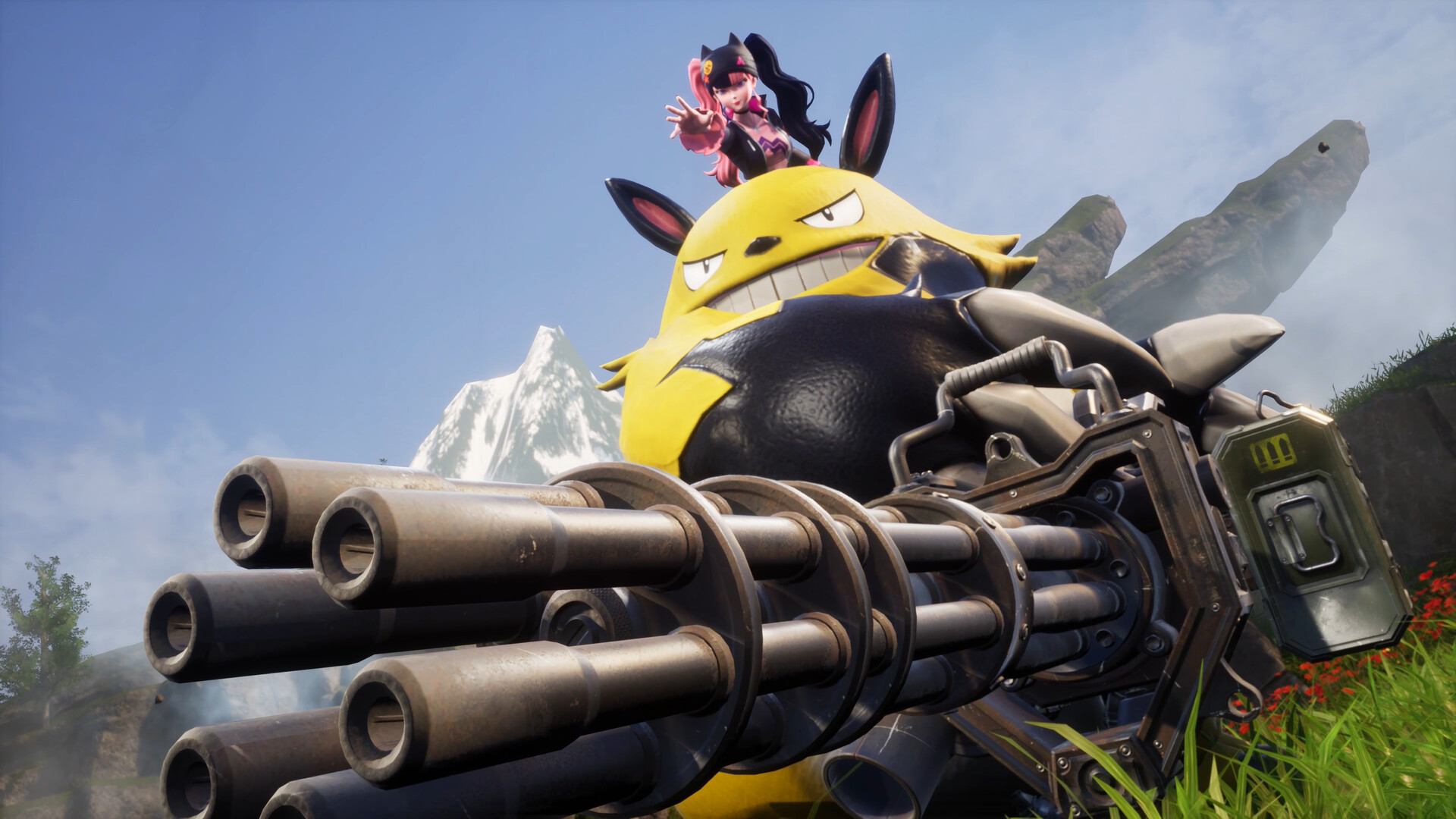


Reviewed by
Palworld Guides Editorial
Expertise: Editorial team behind Palworld Guides. Content is compiled from official patch notes, community wikis, and playthrough notes, then reviewed and updated on schedule.
Sources
Palworld Progression Guides →
Browse the complete progression collection and its focused guides.
Related Guides
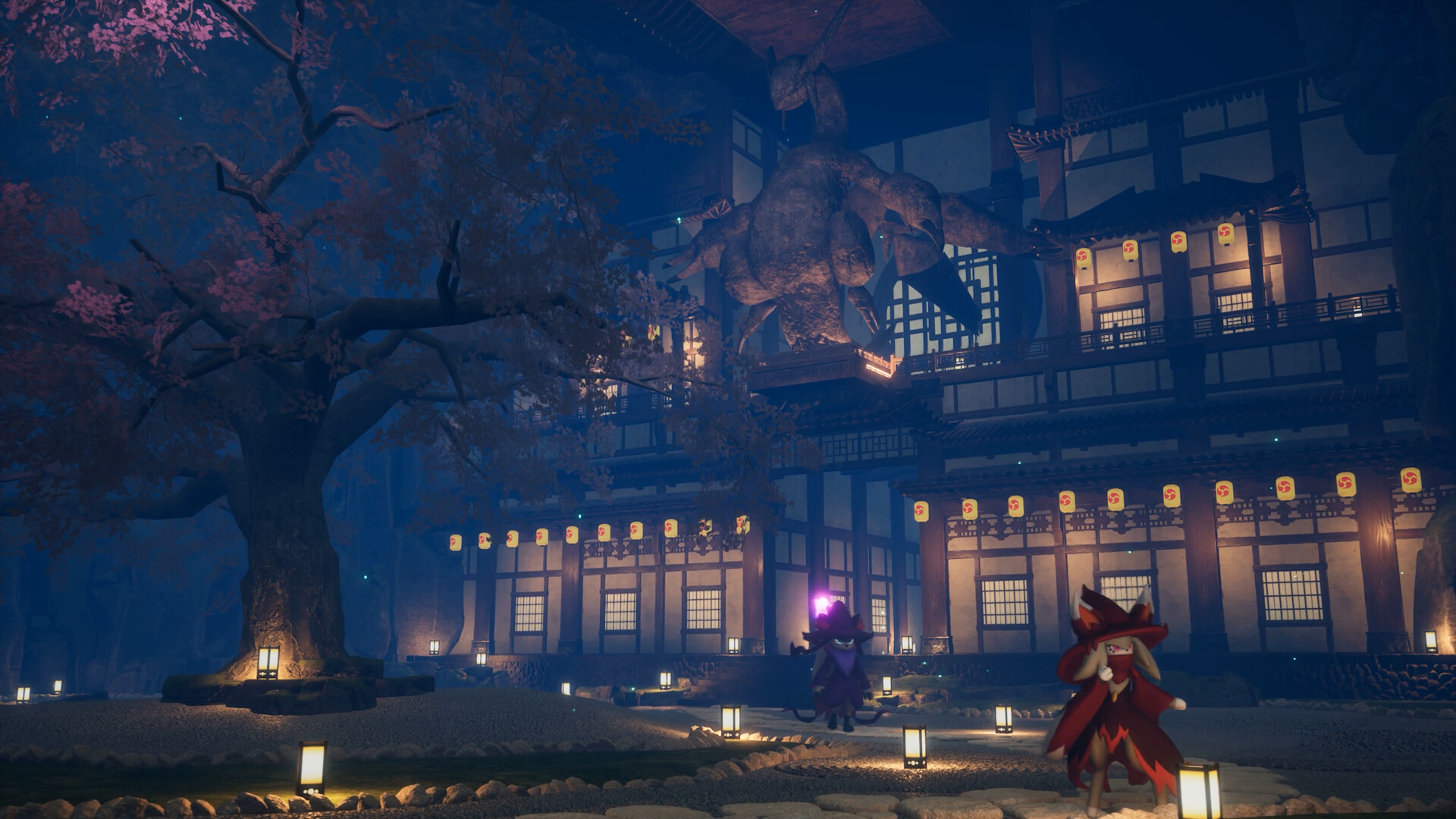



🔥 Popular Guides
Idiosyncratic Passive Skill Palworld — Effect, Stacking & Best Pals
Idiosyncratic boosts a Pal's unique trait in Palworld. Learn the exact effect, whether it stacks, which Pals have it, and when to keep or breed it out.
Palworld Hartalis Slab Fragment Beginner Guide
Learn what Palworld Hartalis Slab Fragment is, how to handle it, early priorities, mistakes to avoid, and when you’ve outgrown beginner status.
Palworld Feathered Hair Band Beginner Guide
Learn what the Palworld Feathered Hair Band does, how to use it early, what to craft first, and when you leave beginner stage.
Palworld Beginner Guide: Palworld All Pal Stats Basics
Learn early priorities, common mistakes, and when Palworld beginners are ready to move past the opening phase.
📋 Patch Notes & Updates
🛠️ Popular Tools
Was this guide helpful?
Rate this guide so we can improve it.
Share your own tip
Found something not in the guide? Submit it below — our editors review every tip before publishing. No account required.