 Palworld
Palworld戦闘ティアリスト 2026
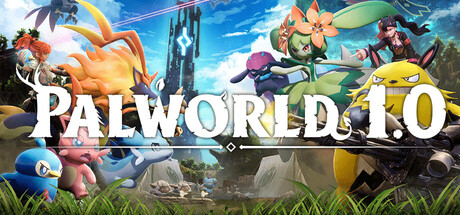
クイック回答: 2026年のPalworld戦闘 tier list では、トップクラスのダメージPals、強力なパートナースキルのバッファー、柔軟にボス戦へ対応できる個体がS Tierに入り、AとB Tierは優秀な特化型、コスパ重視の候補、相性次第で強い選択肢をまとめています。
Ranking Methodology
この palworld tier list combat 2026 は、単なる数値上の火力ではなく、実戦での立ち回りを基準に組んでいます。評価の軸は、実際の戦闘ループでの動きです。たとえば、パートナースキルの稼働率、プレイヤーが位置取りしている間も貢献し続けられるか、終盤の圧力にどれだけ耐えられるか、そして一度のバーストだけでは足りない長期戦でどれだけ価値を出せるかを重視しています。これは、Palworldの現在の戦闘ティアリストでも概ね同じ方向性で、実際にプレイヤーが戦闘で重視する要素を軸に上位候補を決めています。Game8 も、戦闘リストは戦闘向けの最適なPalsを中心にし、攻撃力を伸ばすパッシブがダメージ計画の大きな要素だと述べています Source。
この記事の基準は、現在の2026年ティア議論に反映された1.0期の戦闘メタです。見えていないバランス調整の時系列を勝手に作ることはしていません。明確なパッチ変更が確認できない場合は、パッチごとの履歴ではなく、現行メタのスナップショットとして扱っています。Palworldはロスターが大きく、ボス、レイド、ビルドのシナジーをめぐる最適化が頻繁に行われるゲームだからです。IGN の現在の Pal Tier List では、ゲーム内に 204 unique Pals がいるとされており、これだけの人数がいれば、単一の万能ランキングでは本格的なプレイには粗すぎます Source。
このリストは、現行メタで戦闘効率を重視するプレイヤー向けです。ボス狩り、アリーナ風の圧力戦、高難度のフィールド戦、そしてプレイヤーダメージとPalの貢献を両立させるビルド最適化に役立ちます。コレクション目的の百科事典ではなく、実用的な短い候補表が欲しい人にも向いています。まだレベル上げや繁殖、初期の本格的な戦闘チーム作りの途中なら、以下のティアを見ればどのPalsに資源を優先投入すべきか判断しやすいはずです。
このランキングの読み方として、S Tier は「耐える」だけでなく戦闘そのものを決められるPalを指します。A Tier は、優秀だが明確なトレードオフがある枠です。B Tier は、十分に実戦投入できるものの、より多くの投資や狭い相手、あるいはチーム補助が必要になる候補です。
Tier List Table
この表では、主要な戦闘Palsを実戦価値で並べ、各配置の理由を1行で示しています。
| Tier | Pal | Why it lands here |
|---|---|---|
| S | Bellanoir Libero | Exceptionally high damage and a top-tier combat ability make it a benchmark for boss killing. |
| S | Orserk | Strong all-around offensive pressure and elite synergy with attack-focused builds keep it near the top. |
| S | Knocklem | Alternating Steel Guardian Mode gives it the kind of durable, high-value combat uptime endgame fights reward. |
| S | Knocklem Ignis | The same partner-skill logic as Knocklem, with variant-specific combat usefulness for long engagements. |
| A | Jetragon | High mobility and fast engagement make it a premium pick when positioning matters as much as raw damage. |
| A | Frostallion | Reliable high-end combat presence that stays valuable when you need a strong all-purpose legendary. |
| A | Paladius | Excellent dueling and survivability profile, especially when a fight demands staying power. |
| A | Necromus | Good burst and pressure, but a bit more matchup-sensitive than the very best S-tier threats. |
| A | Anubis | Fast, efficient damage delivery and strong practical value in fights where tempo matters. |
| A | Shadowbeak | Solid endgame combat value with enough flexibility to remain relevant in many encounters. |
| B | Astegon | Strong in the right hands, but less universally dominant than the top offensive cores. |
| B | Ragnahawk | Useful damage and mobility, though it usually needs better support to feel top-tier. |
| B | Vanwyrm Cryst | A dependable option in specific elemental matchups, but not a consistent meta anchor. |
| B | Grizzbolt | Still good in combat, but outclassed by cleaner high-end picks once resources are abundant. |
| B | Suzaku | Functional and threatening, but more situational than players expect when comparing it to legendary staples. |
| B | Beakon | A workable combat mount and attacker, though its value drops when pure damage is the goal. |
こちらもおすすめ
- Palworld guide hub tips tricks base building best pals crafting dungeons more Tier List
- Palworld: when will palworld 1.0 patch notes come out?
- Palworld How to Farm World Tree Holy Water and Ancient Relics
- Palworld what time does palworld 1.0 update come out: Patch Notes Explained
- Palworld how where find clear sealed realm terraria dungeon items
S Tier Breakdown
S Tier is for the Pals that shape fight outcomes instead of merely participating in them. In current combat discussions, that usually means one of two things: either the Pal delivers absurd damage with little setup, or it provides a combat-defining partner skill that stays relevant throughout a fight. Bellanoir Libero is the clearest example from the available data. IGN describes it as one of the best damage Pals in the game, pointing to its “ridiculous Attack stat” and the top-tier Nightmare Stare ability Source. That matters because elite combat Pals are not just about winning short exchanges; they also compress time-to-kill in long, dangerous encounters where healing windows, summons, and attack patterns all stack against you.
Orserk fits the same elite category for a different reason. The important thing about top-tier combat Pals is not that they all play the same role, but that they all provide reliable value under pressure. A Pal like Orserk becomes premium because attack-heavy builds reward anything that can amplify burst and keep contributing while the player is focused on aim, dodging, or resource management. Game8’s current guidance that attack-boosting passives are important for combat output aligns with that evaluation Source.
Knocklem and Knocklem Ignis are here because their combat value is unusually sustained. IGN highlights the pair as alternating around the Steel Guardian Mode partner skill, and that kind of repeated defensive/offensive swing is exactly what makes a Pal valuable in longer fights Source. Long-form bosses, raid-style encounters, and situations where you cannot simply brute-force one burst window all reward a Pal that keeps a stable floor of performance instead of falling apart after the first exchange.
S Tier is also where you should expect the least compromise. If you are choosing one combat Pal to invest heavily in, the names in this tier are the first targets because they are the least likely to be “good but replaceable.”
A Tier Breakdown
A Tier is where the strongest practical specialists live. These Pals are absolutely worth using, and in many real builds they will outperform S Tier picks because the fight context favors their mobility, element coverage, or control pattern. The reason they are not in the top tier is usually some combination of narrower optimal usage, less oppressive raw damage, or slightly weaker long-fight consistency.
| Pal | Best use case | Main limitation |
|---|---|---|
| Jetragon | Fast target access and high-tempo combat | Value drops if the fight does not reward mobility |
| Frostallion | General-purpose endgame combat | Slightly less fight-warping than the very best damage monsters |
| Paladius | Defensive duels and sustained pressure | Can be less explosive than top burst choices |
| Necromus | Burst-heavy encounters | More dependent on matchup and player support |
| Anubis | Efficient all-around offense | Better as a high-value specialist than as a universal answer |
| Shadowbeak | Broad combat utility | Usually outclassed by the most optimized legendary picks |
Jetragon belongs in A Tier because speed is a real combat stat in Palworld. A fast Pal does more than move quickly across the map; it decides when a fight begins, how quickly you can re-engage after repositioning, and how often you can keep pressure on a target that tries to disengage. That makes Jetragon especially useful in fights where spacing and reaction windows matter. Frostallion and Paladius sit in the same broad class of dependable endgame combatants: they are strong enough that you never feel embarrassed fielding them, but the current meta still favors a few select Pals that either hit harder or scale more cleanly with fight length.
Anubis is an excellent example of why a tier list for combat should not be read like a simple “best damage only” chart. Some Pals are valuable because they let the player keep the fight moving. If a Pal attacks quickly, gets into range cleanly, and does not waste a lot of its time idle, it can feel better than a slower, nominally stronger alternative. Shadowbeak belongs here for similar reasons: its combat value is obvious, but it needs the right context to beat the absolute top options.
This is the tier where many players will get the most real use out of their roster. A Tier is not the consolation bracket. It is the section where excellent Pals live when they are not quite the final word on every fight.
B Tier Breakdown
B Tier covers workable combat Pals that can absolutely clear content, win fights, and serve a purpose, but they usually need more investment, smarter matchup selection, or better team composition to keep up with the top picks. In Palworld, B Tier does not mean weak. It means “good enough to use, not good enough to define the meta.”
| Pal | Strength | Why it sits below A |
|---|---|---|
| Astegon | Heavy pressure and strong presence | Less flexible than the better all-rounders |
| Ragnahawk | Mobile offense | Usually needs support to compete with premium attackers |
| Vanwyrm Cryst | Situational elemental value | Narrower impact than stronger universal picks |
| Grizzbolt | Familiar, dependable combat role | Has been eclipsed by more optimized options |
| Suzaku | Threatening presence | More matchup-dependent than the stronger bosses-and-legendary tier |
| Beakon | Practical mount-combat hybrid | Better when mobility matters more than pure output |
Astegon is the kind of Pal that often looks stronger in a vacuum than it does in a full meta context. Heavy hitters are appealing, but combat in Palworld also rewards consistency, uptime, and how well a Pal fits the player’s broader plan. Ragnahawk and Beakon are especially sensitive to this. They can feel excellent when a fight rewards aerial pressure, travel, or mixed mount-combat play, but they are less reliable when the goal is pure efficiency against a hard target. Vanwyrm Cryst and Suzaku are in the same general space: useful, capable, and worth keeping around, but not the kind of picks you build your entire late-game combat identity around.
Grizzbolt is a good reminder that tier lists age relative to the player base’s optimization level. A Pal can remain popular and useful while still sliding down a ranking as stronger options become common. That is especially true in a live game where breeding, passive selection, and resource investment can push the upper end of combat performance much higher than a casual playthrough might suggest.
When you read B Tier correctly, it should function as a shortlist of “good, but not premium” choices. If you are missing S and A Tier Pals, these are still real combat solutions. They just need a stronger reason to be chosen than the absolute best do.
Matchup Callouts
The ranking flips in several real combat situations, because Palworld combat is not a single isolated test. Different bosses, movement patterns, arena pressures, and build states reward different strengths. Here are the most important reversals to keep in mind.
- Against long, drawn-out fights, a Pal with a sustained partner skill can overtake a higher-burst option. Knocklem and Knocklem Ignis rise in value when the battle lasts long enough for their alternating skill usage to matter repeatedly.
- In mobility-heavy encounters, a fast mount or reposition tool can be more valuable than a heavier hitter. Jetragon can jump ahead of slower offensive picks when the fight punishes being pinned down or out of range.
- When your own build already supplies massive player damage, the best Pal is often the one that adds stable support, not the one that duplicates your burst pattern. That is where utility-forward picks can climb relative to pure damage names.
- In elemental matchups where you can exploit a clear weakness, B Tier specialists can temporarily outperform A Tier generalists. Vanwyrm Cryst and Suzaku are more attractive when the enemy’s profile lines up with their strengths.
- If you are undergeared or still building passive stacks, a “theoretically better” Pal may underperform a simpler, more consistent one. Game8’s note about attack-boosting passives matters here, because raw tier position only reaches full value when the Pal has the right traits Source.
The practical lesson is that no tier list should be treated as a fixed law. If a boss keeps moving out of melee range, your best option may not be the highest-rated Pal on paper. If your team is already optimized around burst windows, a durable partner-skill Pal can improve your actual clear time more than a second glass-cannon attacker. That is why serious players should read the table as a default ordering, then adjust for the encounter in front of them.
Patch Delta Note
The exact move-by-move patch delta is not fully disclosed in the provided facts, so I am not inventing a fake “buffed here, nerfed there” history. What can be said safely is that this is a 2026 combat snapshot anchored to current tier discussions rather than a reconstructed patch log.
There is one meaningful context clue in the available material: Game8’s article frame explicitly treats its combat tier list as an updated 2026 resource for Palworld 1.0, and IGN’s current Pal tier list is likewise presented as a live ranking for the game’s current roster Source Source. That means the ranking reflects the present understanding of combat value, not a historical snapshot from launch week.
The safe takeaway for players is simple. If you last looked at Palworld combat rankings earlier in the game’s life, assume that top-end evaluation is now more refined, especially around Pals that combine damage, survivability, and long-fight uptime. In practice, that usually pushes clean all-rounders and partner-skill powerhouses upward while pushing narrow picks downward. I am not attributing exact tier moves to any specific balance patch without supporting patch notes.
よくあるミス
The most common mistake is treating the tier list like a raw stat leaderboard instead of a fight-performance guide. Players do that because attack numbers are easy to understand, but combat efficiency also depends on uptime, AI behavior, and how often the Pal is actually doing useful work. The fix is to compare how a Pal performs over an entire fight, not just in a damage preview.
- Picking a Pal with no combat passives: players often underestimate how much passives affect real output, especially for long fights. Game8’s guidance specifically points to attack-boosting passives as important Source. Fix: prioritize at least one attack-oriented passive before investing heavily.
- Ignoring partner skill uptime: a Pal can look strong in a one-off showcase but underperform if its best skill is rarely active. Fix: favor Pals whose partner skill stays relevant across the whole encounter.
- Using a pure damage Pal in a mobility-heavy fight: high burst is useless if the target spends the fight outside range. Fix: switch to a faster or more consistent combat mount when repositioning matters.
- Over-investing in a narrow matchup pick too early: specialized Pals are attractive, but they do not always carry every encounter. Fix: keep one universal attacker and one situational specialist instead of building only for one boss type.
- Forgetting that your own build changes the Pal’s value: if the player already provides strong ranged damage, the Pal should add pressure or control, not just duplicate the same role. Fix: pair the Pal with the missing combat function, not the redundant one.
- Judging by popularity instead of combat role: a familiar Pal can stay common even after better options exist. Fix: compare its actual fight performance against the current S and A Tier names.
プロのヒント
Tip 1. Roll for combat passives first
When breeding or selecting a combat Pal, check for attack-oriented passives before you finish the rest of the setup. That matters most on Pals you plan to use in boss fights, because a good move kit without the right passive profile leaves too much damage on the table.
Tip 2. Match the Pal to fight length
Use burst-heavy options for short engagements and sustained-skill options for longer ones. A Pal like Bellanoir Libero is attractive when you want a fight to end quickly, while Knocklem-style sustained value becomes better when the encounter drags on.
Tip 3. Keep one mobility answer ready
A fast Pal is not just for travel. Keep Jetragon-style mobility in your roster for fights where closing distance, escaping danger, or re-engaging quickly decides the outcome.
Tip 4. Swap by matchup, not habit
If a target resists your usual damage pattern or spends most of the fight moving, do not force your default S Tier pick. Drop in an elemental or mobility specialist when the encounter rewards that switch.
Tip 5. Build around uptime, not fantasy damage
The best combat Pal is the one that keeps contributing while you move, heal, or reposition. If a Pal only looks amazing in a perfect setup, it is probably less valuable than a steadier option in real play.
関連ガイド
- Palworld Breeding Combos
- Best Early-Game Pals
- Best Flying Mounts in Palworld
- Best Bossing Pals
- Palworld Passive Skills Guide
- Palworld Element Weakness Chart
- Best Base Workers in Palworld
- Palworld Endgame Progression Guide
出典
- https://game8.co/games/Palworld/archives/440279
- https://www.ign.com/wikis/palworld/Pal_Tier_List:_Best_Pals_in_Palworld_1.0
- https://store.steampowered.com/app/1623730/
- https://howlongtobeat.com/?q=palworld
- https://api.steambase.io/games/1623730
- https://www.protondb.com/app/1623730
- https://www.xbox.com/xbox-game-pass
- https://steamspy.com/app/1623730
- https://www.cheapshark.com/redirect?dealID=pZOw11vetqcCmVtkRp4Mv%2BxOG6Rs1fl%2Bv%2Bly2GKn9%2BQ%3D
- https://www.speedrun.com/Palworld
関連項目
- Palworld when does palworld 1.0 update come out est Patch Notes Explained
- Palworld steam farming sim like stardew valley satisfactory farmbotic
- Palworld when does the 1.0 update for palworld come out: Patch Notes Explained
- Palworld how to re roll reset dungeon bosses alpha pals
- Palworld Beginner Guide: First Steps, Resources, and Common Mistakes
- Palworld when does palworld 1.0 update come out: Patch Notes Explained
- Palworld Legendary Blueprints in the Version 0 2 0 6 update: Beginner Guide
- Palworld 1.0 July Update Release Date: Patch Notes Explained
- Palworld How to Beat Hard Mode Lily and Lyleen
- Palworld Beginner Guide: First Steps, Priorities, and Common Mistakes

レビュー担当
Palworld Guides Editorial
専門分野: Editorial team behind Palworld Guides. Content is compiled from official patch notes, community wikis, and playthrough notes, then reviewed and updated on schedule.
出典
🔥 急上昇ワード
Palworld update 7 30 パッチノート解説
Palworld update 7 30 を解説:新しいPal、新マップ地域、誰が得して誰が損するか、そして今日何を変えるべきか。
Palworldのプレイヤー数と初心者ガイド
Palworldの基本メカニクス、最初の1時間で優先すべきこと、拠点のコツ、Palの管理、よくあるミス、そしてプレイヤー数データの見方を学びましょう。
Palworld ハードモードボス実績ガイド
終盤装備、最適化したPals、そして無駄のない100%ルートで、Palworldのハードモード塔ボスを撃破しよう。レア実績や取り逃し要素も網羅。
Palworld初心者ガイド: 最初の1時間でやること、優先順位、よくあるミス
Palworldの基本、最初の1時間で優先したいこと、素材の集める順番、ありがちなミス、そして初心者期間を抜けた目安まで。
📋 パッチノート解説
🛠️ 人気ツール
このガイドは役に立ちましたか?
改善のため、このガイドを評価してください。
Share your own tip
Found something not in the guide? Submit it below — our editors review every tip before publishing. No account required.