 Palworld
Palworld How to Sell and Condense Pals
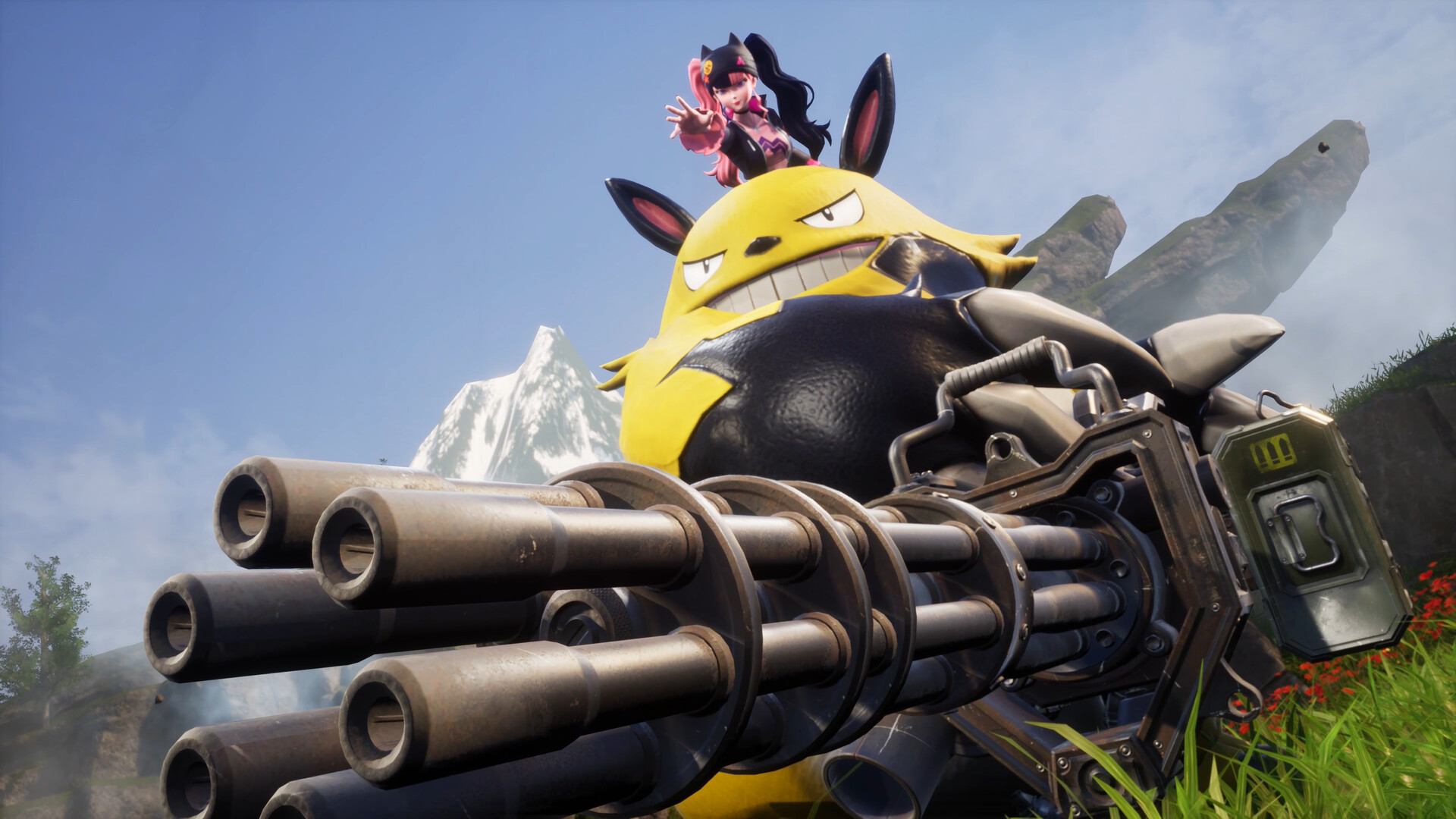
Quick Answer: You sell Pals by talking to merchants, then choose Pals you do not need for money; you condense extras at the Pal Essence Condenser to power up a chosen Pal, which is usually the better long-term move. Recent 2026 maintenance updates have focused on stability and consistency rather than changing the basic sell-versus-condense loop, so the core advice here still holds Palworld console patch notes: July 29 and July 30 2026 explained.
What Selling and Condensing Actually Do
Selling and condensing Pals solve two different inventory headaches. Selling turns unwanted Pals into money and is best for low-value extras, while condensing permanently sacrifices duplicate Pals to strengthen one target Pal.
That tradeoff matters because Palworld is a long game. HowLongToBeat estimates roughly 41.01 hours for the main story and 92.74 hours for completion Source, so a random early sale can come back to haunt you later when you realize that “useless” Pal was actually part of a good working line. Palworld also has a very large audience; Steam currently shows 801395 players in game and 443813 reviews with a 94.3% positive summary Source. In other words, plenty of people have already learned the hard way that hoarding the wrong stuff and deleting the right stuff are not the same problem.
The simple rule
- Sell Pals when you need cash and the Pal has no plan.
- Condense Pals when you want to invest in a specific fighter, worker, or mount.
- Store anything with strong passives, rare traits, or breeding value until you are sure.
First-Hour Checklist
Your first hour should focus on survival basics, base stability, and not accidentally turning your early game into a backpack full of regret. The goal is to get enough structure that selling and condensing later becomes a choice, not a panic button.
Do these first
- Catch a small mix of Pals instead of only one species.
- Build a basic base near early resource nodes.
- Set up wood, stone, and a simple crafting loop.
- Unlock core tools and containers as soon as possible.
- Capture extra Pals instead of letting them sit in the wild doing absolutely nothing for you.
- Keep one eye on weight and storage, because a jammed inventory slows everything down.
What to prioritize in the opening hour
- Build the essentials for gathering and storage.
- Catch enough Pals to cover combat, transport, and base work.
- Keep duplicates only when they are useful for breeding or condensing.
- Sell true throwaways once you have a merchant nearby.
- Avoid dumping resources into fancy upgrades before your base can function on its own.
Early Pal handling mindset
At this stage, do not judge every Pal by combat power alone. A weak-looking Pal can still be useful for base tasks, breeding lines, or future fusion through the condenser. The beginner trap is treating every duplicate as trash and every rare catch as a permanent keeper. The reality is messier, and the game is happier when your decisions are a little messier too.

Resource Priority Order
You should spend on survival, hoard materials that scale, and craft only what removes friction from the next two hours of play. That keeps you from selling the wrong Pal just to afford a nice-looking upgrade you do not actually need.
Spend first
- Storage and crafting stations.
- Basic weapons and ammo if your region is getting spicy.
- Repairs for tools that are clearly holding your progress back.
- Base infrastructure that lets your Pals work more efficiently.
Hoard first
- Strong Pals with useful passives.
- Duplicates of promising species.
- Materials used in multiple upgrade paths.
- Anything rare enough that you are unsure whether you will need it later.
Sell or condense first
- Common duplicates with no useful traits.
- Pals that do nothing for your current party or base.
- Low-value extras once your storage starts to choke.
- Copies of a Pal only after you know whether you want that line for combat, work, or breeding.
Practical priority table
| Priority | What it means | Best use |
|---|---|---|
| High | Core survival and base progression | Crafting, storage, essential tools |
| Medium | Useful but replaceable assets | Strong generalist Pals, upgrade materials |
| Low | Flavor, backups, extra copies with no traits | Sell, condense, or hold only if uncertain |
The main idea is simple: keep your flexible resources flexible. Once you condense a Pal, that investment is locked into one target. Once you sell a Pal, it is gone and your wallet is the only thing that got bigger.
How to Sell Pals Without Regret
You should sell only after you have checked whether a Pal has any future job in your team, base, or breeding plans. Palworld How to Sell and Condense Pals sounds like one system, but the smart play is to treat selling as the irreversible emergency exit.
Good candidates for selling
- Extra low-tier duplicates with no good traits.
- Pals you can catch again easily in your current area.
- Any catch that is strictly worse than the copies already in storage.
- Throwaway captures used to fill space while exploring.
Bad candidates for selling
- Pals with strong passives.
- Rare species you have only seen a few times.
- Pals that support your base work.
- Breeding stock you might want later.
Selling checklist
- Check passives first.
- Check species rarity second.
- Check whether you already have a stronger version.
- Check whether the Pal is part of a line you want to condense later.
- Sell only when the answer is clearly “no” across the board.
If you are early in the game, selling is mostly about clearing dead weight, not chasing profit. A pile of early money feels nice for about five minutes; a lost rare Pal can annoy you for hours.
How to Condense Pals the Right Way
You should condense only into a Pal you expect to use for a while, because the whole point is to build a stronger version rather than just erase inventory clutter. Condensing is a long-term investment, and long-term investments need a target.
Best uses for condensing
- Improving a favorite combat Pal.
- Strengthening a base worker you plan to keep around.
- Turning duplicate catches into meaningful progression.
- Consolidating a species you keep finding while exploring.
When to wait
- You have not settled on a main party yet.
- The Pal has mediocre traits and no clear role.
- You might use the duplicates for breeding instead.
- You are still learning which species feel strong in your own build.
Condensing rules of thumb
- Condense into the version with the best traits or most useful role.
- Keep one clean backup until you are sure the line is worth investing in.
- Do not condense purely because you have extra space.
- If a Pal is borderline, park it in storage and revisit later.
This is where beginners usually swing too hard. They see duplicate Pals and think “free upgrade,” then spend their best material on a target they stop using shortly after. A little patience here saves a lot of future cleanup.
Common Newbie Mistakes and How to Fix Them
The beginner phase in Palworld is mostly about making small decisions that do not age badly. These are the mistakes that tend to hurt most, plus the clean fix for each one.
Selling the wrong Pal
- Mistake: Selling a rare or traited Pal because it looks redundant right now.
- Fix: Put uncertain Pals in storage and compare them later once your team direction is clearer.
Condensing too early
- Mistake: Dumping duplicates into a Pal before you know whether you will actually use it.
- Fix: Wait until you have a clear combat role, work role, or breeding plan for the target.
Hoarding every duplicate
- Mistake: Filling storage with every catch just because it might be useful someday.
- Fix: Keep only the best traits, the rare species, and the duplicates you genuinely plan to sell or condense.
Ignoring base utility
- Mistake: Judging Pals only by battle performance.
- Fix: Keep base workers and transport helpers even if they are not headline fighters.
Burning all resources on upgrades
- Mistake: Spending everything on one shiny improvement and then running dry for essentials.
- Fix: Protect a reserve for storage, tools, and basic crafting before luxury upgrades.
Graduation Threshold
You are out of the beginner phase when your base, party, and storage decisions stop being purely reactive and start serving a plan. That usually means you can tell, with confidence, which Pals are sell fodder, which are condense targets, and which are future insurance.
Signs you have graduated
- You have a stable base loop without constant babysitting.
- You know which species belong in your active team.
- You are intentionally saving duplicates for breeding or condensing.
- You have enough storage discipline that bad catches do not clog progress.
- You can evaluate a new Pal in seconds instead of “maybe later” forever.
A good self-check
If you can look at a duplicate Pal and immediately say “sell, condense, or hold,” you are past the beginner fog. That is the real milestone, not a level number or a fancy unlocked item.
Next Steps
You should move into deeper team planning once your selling and condensing habits are consistent. Good follow-up topics are 1 0 interactive tips for Pal tier choices, related guide for beginner base builds, and related guide for a step-by-step early walkthrough.
Sources
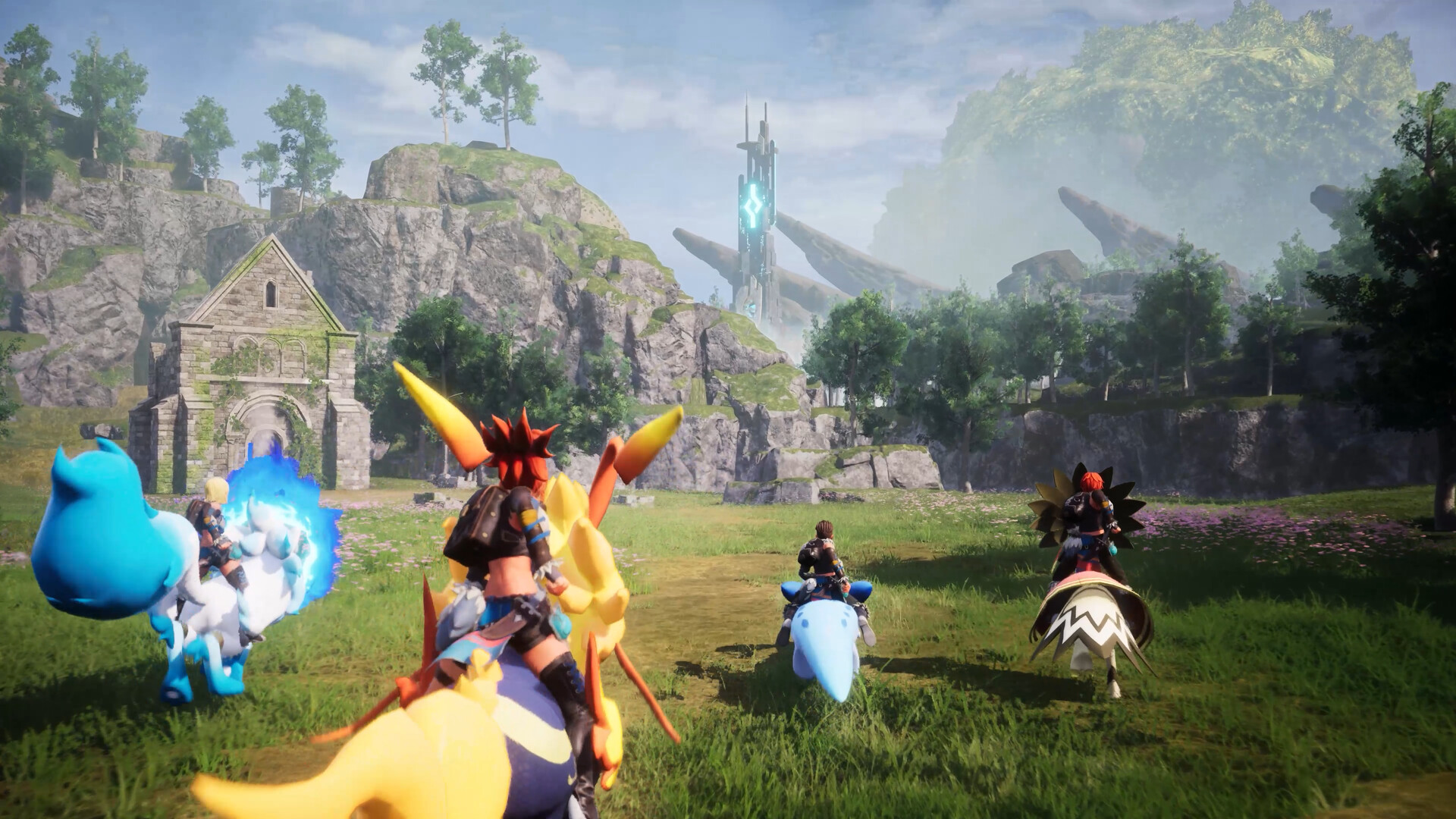
Screenshots


Reviewed by
Palworld Guides Editorial
Expertise: Editorial team behind Palworld Guides. Content is compiled from official patch notes, community wikis, and playthrough notes, then reviewed and updated on schedule.
Sources
Palworld Progression Guides →
Browse the complete progression collection and its focused guides.
Related Guides



🔥 Popular Guides
Idiosyncratic Passive Skill Palworld — Effect, Stacking & Best Pals
Idiosyncratic boosts a Pal's unique trait in Palworld. Learn the exact effect, whether it stacks, which Pals have it, and when to keep or breed it out.
Palworld Hartalis Slab Fragment Beginner Guide
Learn what Palworld Hartalis Slab Fragment is, how to handle it, early priorities, mistakes to avoid, and when you’ve outgrown beginner status.
Palworld Feathered Hair Band Beginner Guide
Learn what the Palworld Feathered Hair Band does, how to use it early, what to craft first, and when you leave beginner stage.
Palworld Beginner Guide: Palworld All Pal Stats Basics
Learn early priorities, common mistakes, and when Palworld beginners are ready to move past the opening phase.
📋 Patch Notes & Updates
🛠️ Popular Tools
Was this guide helpful?
Rate this guide so we can improve it.
Share your own tip
Found something not in the guide? Submit it below — our editors review every tip before publishing. No account required.