 Palworld
Palworld 1.0 patch notes release date: what changed in the full launch
Quick Answer: The palworld 1.0 patch notes release date is July 10, 2026, when Palworld exited Early Access and launched version 1.0 on Steam and Xbox Game Pass with a huge release changelog, new Pals, and major world reworks.
TL;DR: what shipped in Palworld 1.0
Palworld 1.0 shipped as the game’s full release on July 10, 2026, and the headline story is simple: this was not a tiny balance pass, but a full-launch patch with enough changes to exceed Steam’s character limit for patch notes. Pocketpair’s release notes were described as a massive changelog, and coverage around the launch says the document reached 65,000 characters and 40 pages before it was condensed for distribution on Steam. That alone tells you the scale of the update was far beyond a routine live-service hotfix. Source
The most important thing for players to understand is that version 1.0 marks the end of Early Access and the start of the game’s official release era. That means the palworld 1.0 patch notes release date is not just a date on a calendar; it is the moment when Pocketpair’s long-running work on the game became the baseline for every future patch. The changelog is tied to the official 1.0 build, and the stated goal was to deliver a large set of additions, fixes, and system reworks all at once. Source
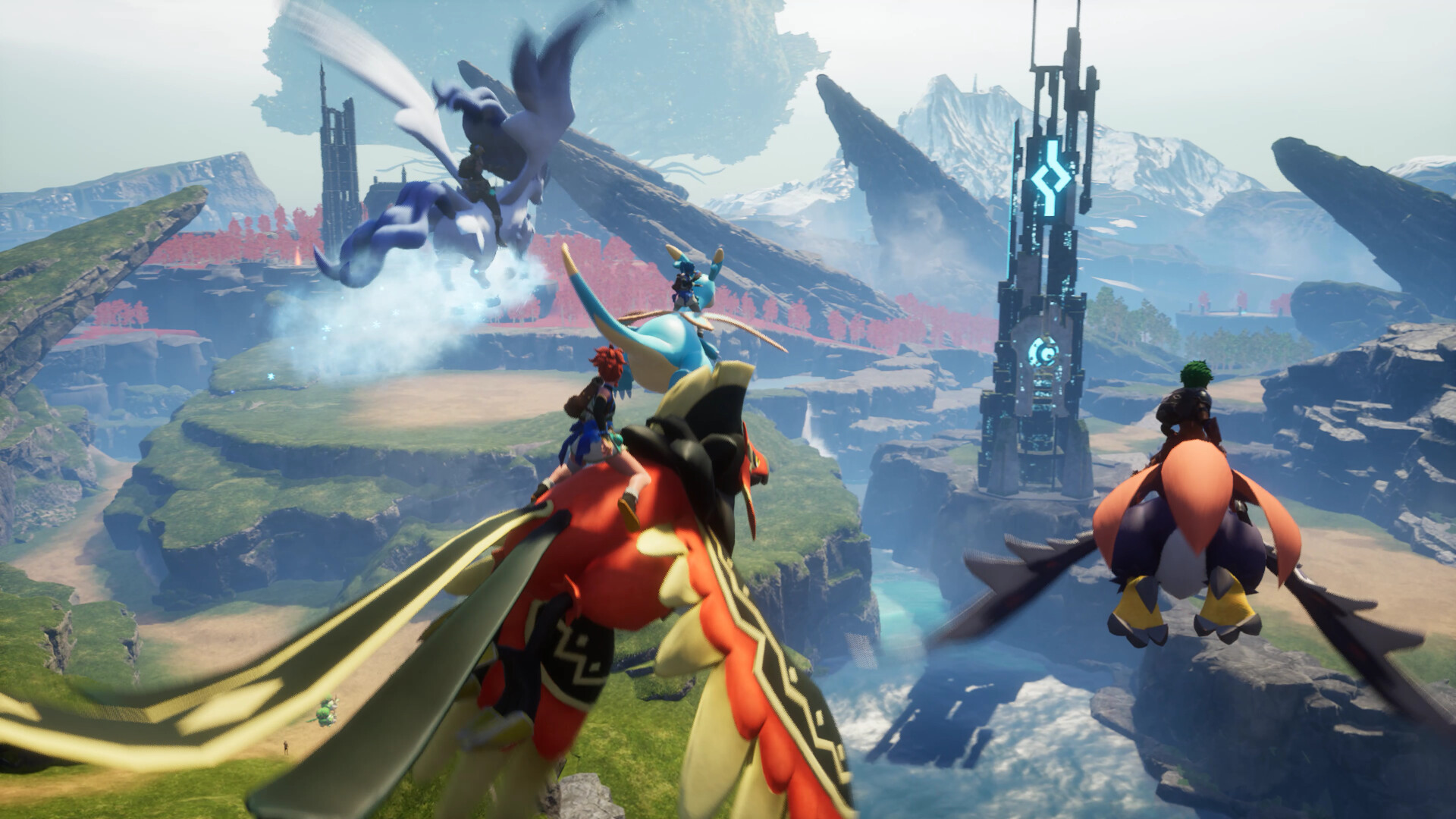
What shipped, in broad terms, was a mix of new content and structural changes: more than 20 new Pals, the playable World Tree region, a conclusion to the main story, and reworks to major world systems such as Tower bosses, Wildlife Sanctuaries, and No-Hunting Zones. Pocketpair also said existing saves should remain compatible, while still recommending a new save for the best experience. That recommendation matters because launch-era overhauls often reshape progression pacing, encounter flow, and map knowledge in ways returning players can feel immediately. Source
Winners: the players and systems that got the biggest boost
The biggest winners in Palworld 1.0 are exploration-focused players, collection-minded players, and anyone who wanted the game’s world to feel more complete. The update adds more than 20 new Pals and finally makes the World Tree region playable, which is the sort of content drop that changes how you route your playthrough rather than merely adjusting numbers on existing content. In a game where routing, capture planning, and base labor all feed into each other, adding a large batch of creatures is never “just” cosmetic. It changes breeding goals, squad building, and the value of hunting specific spawns across the map. Source
The main story also gets a proper conclusion here, which is a major win for players who have been waiting for Palworld to feel like a finished adventure instead of a sandbox in progress. Reaching the World Tree is not just another map unlock; it signals that the release build is aiming to close the narrative loop around the world’s central mystery. For players who treat survival crafting games as progression-first experiences, a real ending changes how a full playthrough is judged. It makes the early-game route, midgame boss order, and endgame pacing part of a single authored structure rather than a collection of loosely connected updates.
New content winners at a glance
| Area improved | What changed in 1.0 | Why it matters |
|---|---|---|
| Pal roster | More than 20 new Pals | Expands team building, breeding targets, and capture priorities |
| World map | World Tree region becomes playable | Opens a previously inaccessible endgame destination |
| Story | Main story gets a conclusion | Gives the release build a clear narrative endpoint |
| World systems | Tower bosses, Wildlife Sanctuaries, and No-Hunting Zones are reworked | Changes how players explore, fight, and manage world interactions |
Another category of winners is anyone who enjoys large-scale world-system tuning. Reworking Tower bosses, Wildlife Sanctuaries, and No-Hunting Zones suggests Pocketpair wanted the full release to feel less like a loosely assembled early-access map and more like a coherent ecosystem. That matters because systems like these influence several playstyles at once. For example, Tower bosses affect combat progression and challenge spikes; Wildlife Sanctuaries affect exploration and collection routes; and No-Hunting Zones shape where players can safely farm, scout, or avoid conflict. Even without exact numeric tuning in the summary we have, the important takeaway is that these are foundational spaces, not side-content gimmicks. Source
A second concrete win is accessibility through platform rollout. Palworld 1.0 was released for all versions of the game, and the update was available on Steam and Xbox Game Pass services with both automatic and manual downloading paths. That means the release did not treat one platform as a second-class citizen at launch. For players, that reduces friction: you are not waiting on a staggered deployment to start the new build, and you do not need a special workaround just to get the patch. Source
Here is the practical effect for different types of players:
- Collectors benefit most from the added Pal count because every new creature can alter breeding lines, type coverage, and base labor chains.
- Story-focused players get the biggest payoff from the World Tree becoming playable and the main story finally ending.
- Returners get a fresh reason to restart, especially if they want to experience the full-release structure as intended.
- Explorer/build players gain from the reworked world zones, since routes through sanctuaries and boss content may no longer behave the same way they did in earlier builds.
That also means the release feels especially strong for players who like a “fresh file” experience. Pocketpair said existing saves should be compatible, but still recommended starting a new save for the best experience. That is an unusual but telling recommendation: if a developer says your save will work yet still nudges you toward a reset, it usually means the patch alters enough foundational progression that a clean run will better reflect the intended balance. If you want a related overview of how patch-scale resets affect survival games, see 1 0 interactive tips.

You might also like
- Palworld guide hub tips tricks base building best pals crafting dungeons more Tier List
- Palworld how where find clear sealed realm terraria dungeon items
- Palworld: when will palworld 1.0 patch notes come out?
- Palworld How to Farm World Tree Holy Water and Ancient Relics
- Palworld what time does palworld 1.0 update come out: Patch Notes Explained
Losers: what was nerfed, removed, or made less stable for old routes
The biggest losers in Palworld 1.0 are players who relied on early-access assumptions, especially anyone with muscle memory built around old boss behavior, old sanctuary routes, or pre-release map boundaries. Because Tower bosses, Wildlife Sanctuaries, and No-Hunting Zones were all reworked, any route that depended on their old behavior is automatically less reliable. That does not necessarily mean those systems were “nerfed” in a simple damage-number sense; it means the patch likely invalidates old strategies by changing how these spaces function. For live-service and early-access veterans, that is often the real loss. Source
The second major loser is the speedrunner or route optimizer who had spent months solving the early-access version. When a full release drops with more than 20 new Pals, a playable World Tree, and major structure changes to the world, old any% or completionist routing tends to get shaken up quickly. A route that once avoided certain fights or farmed a specific sanctuary path may no longer be optimal, especially if spawns, access restrictions, or progression gates have changed underneath it. In practice, the “loser” here is not just a build or a weapon; it is the stability of prior metagame knowledge.
What old habits are most likely to break
- Old sanctuary loops may no longer line up cleanly with the reworked zone structure.
- Old boss cheese routes can become unreliable when Tower bosses are rebalanced or repositioned conceptually through a system rework.
- Old no-conflict farming spots may change because No-Hunting Zones were part of the rework pass.
- Old “finish the game later” assumptions are weaker now that the main story has an actual conclusion in version 1.0.
A more subtle loss is psychological: the launch build turns Palworld into a game you can no longer treat as “unfinished but mostly settled.” Early Access communities often adapt by accepting temporary exploits, half-implemented systems, and throwaway progression. Version 1.0 changes that relationship. If you were comfortable postponing certain progression decisions because “it’s only early access,” that excuse is gone. Palworld’s 1.0 release date effectively closes the door on the old staging mindset and asks players to commit to the final structure.
That is also why some existing save files become less attractive even if they remain functional. Compatibility is not the same thing as best experience. The game can load your old progression while still making it clear that the intended full-release flow starts from scratch. For players who care about clean progression, old saves can become a kind of technical loser: usable, but no longer ideal.
There is also a platform-side loser in the form of patch-note delivery friction. The update was reportedly so large that it exceeded Steam’s 32,000-character maximum, forcing Pocketpair to compress or restructure how the notes were presented. That is not a gameplay nerf, of course, but it does show that even the communication around the patch had to be adapted. When patch notes are this big, it becomes harder for players to track every change at a glance, and that can leave returning players feeling slightly behind the curve. Source
For anyone who played Palworld as a “figure it out as you go” survival sandbox, this launch is the point where that casual familiarity becomes a disadvantage. The game is no longer building toward a release; it is the release. That means the old meta is effectively retired, even if individual mechanics survive in altered form.
Player action items starting today
You should treat Palworld 1.0 as a restart-worthy patch, even if your current save still loads. Pocketpair said existing saves should be compatible, but it also recommended starting a new save for the best experience, and that advice is especially important for players who want to understand the release build rather than merely keep old progress alive. If you are coming back after Early Access, the cleanest path is to decide whether you want preservation or optimization: keep your old file if you only want continuity, or begin fresh if you want the intended 1.0 experience. Source
The most important actions to take
- Start a new save if you want the full-release pacing. The developer recommendation is explicit, and it matters most if you care about story flow and world discovery.
- Re-evaluate your capture targets. With more than 20 new Pals added, older breeding and combat priorities may no longer be your best investment.
- Re-plan your exploration route. The playable World Tree and reworked world systems can change how you move through the map.
- Check your platform update path. The 1.0 patch is available on Steam and Xbox Game Pass, with both automatic and manual download options mentioned for the release. Source
If you are the kind of player who likes to optimize around content additions, your first job is not chasing every new system blindly; it is identifying which areas of the map and which creature families changed most in importance. New Pal availability often creates ripple effects across breeding, labor distribution, combat coverage, and transport. In Palworld specifically, a new Pal can be valuable for one of three reasons: it improves a battle lineup, it speeds up base work, or it unlocks a more efficient traversal loop. When an update adds more than 20 new Pals, you should expect all three categories to be touched in some way. Source
What to do differently in your first sessions back
- Spend your first hours scouting, not committing. The value of old routes drops when bosses and zones are reworked.
- Treat sanctuaries as re-check points. Wildlife Sanctuary behavior is specifically part of the rework list.
- Revisit boss order. Tower bosses being reworked means old difficulty assumptions can be misleading.
- Do a fresh inventory review. Items, resources, and base roles that once felt optimal may be weaker relative to the new content mix.
There is also a strong case for players who enjoy challenge runs or achievement hunting to check the release structure before deciding on a plan. Palworld currently tracks 75 achievements, and the completion ecosystem is broad enough that major release changes can affect long-term goals even if no achievement is directly tied to the new launch content. If you were mid-progression on a collection or completion route, the full release may shift the most efficient path forward. For related tracking on broader completion goals, use palworld 1.0 july update release date.
If you are returning after a long break, do not assume your memory of “good farming zones” is still current. In a patch this large, the smartest move is often to spend one session observing how the new release feels in practice, then decide whether to preserve, respec-style reallocate your time, or restart entirely. That is the most honest player action item for the palworld 1.0 patch notes release date: be willing to abandon stale assumptions.
Why the release matters beyond the patch itself
Palworld 1.0 matters because it changes the game’s status from “successful Early Access phenomenon” to “official release with a complete changelog baseline.” That distinction is bigger than it sounds. In Early Access, every patch can feel provisional. In full release, every patch becomes part of the game’s official identity. That means version 1.0 is not only about content volume; it is also about legitimacy, expectation-setting, and how the community talks about future updates. Source
The size of the notes also says a lot about Pocketpair’s development approach. The fact that the release changelog was reportedly too large for Steam’s standard character limit is a strong signal that the studio chose to bundle a lot of long-running work into one milestone. That usually creates a more dramatic first impression than a drip-fed rollout, and it also tends to reset community discourse. Players stop asking “what’s the next survival update?” and start asking “what is Palworld’s identity now that the full version is here?” Source
For people comparing this launch to the broader live-game landscape, the strongest takeaway is that launch-day structure matters as much as raw content count. More than 20 new Pals is a clear content win, but the playable World Tree and the conclusion to the main story are what make the patch feel complete. Likewise, reworked Tower bosses, Wildlife Sanctuaries, and No-Hunting Zones are what turn a large update into a systems update. The patch affects how you play, not just what you collect. That is the kind of change that can reshape a game’s long tail. Source
There is also a practical implication for replay value. A game that adds a lot of content but leaves its old structure untouched often encourages players to stay on their existing save. A game that adds content while also reworking foundational systems encourages restarts, re-learning, and fresh routing. Palworld 1.0 seems much closer to the second model, which is why the developer’s advice to start a new save should not be ignored. The update is designed to be experienced, not just installed.
For context on how substantial Palworld already is as a game, third-party tracking shows a long-form playtime footprint: HowLongToBeat lists roughly 43.65 hours for the main story, 82.73 hours with extras, and 100.3 hours for completion. Source That gives you a sense of why a full-release reset is meaningful. When a game can already demand dozens of hours, changing the foundation beneath that time investment is a serious matter.
In the same vein, broader player activity data shows the game’s scale is not niche. The current Steam review summary is “Very Positive” at 94.5% positive across 481381 reviews, and there are about 130682 players in game on Steam right now. Source Those numbers are not the point of the patch itself, but they do explain why a full-release update with this much content matters so much: a huge audience is now evaluating the game from a 1.0 baseline rather than an early-access one.
Sources
- https://www.game8.co/games/Palworld/archives/607287
- https://www.polygon.com/palworld-full-release-patch-notes-steam-leaving-early-access/
- https://palworld.wiki.fextralife.com/Patch_Notes
- https://howlongtobeat.com/?q=palworld
- https://store.steampowered.com/app/1623730/
See also
- Palworld when does palworld 1.0 update come out est Patch Notes Explained
- Palworld steam farming sim like stardew valley satisfactory farmbotic
- Palworld when does the 1.0 update for palworld come out: Patch Notes Explained
- Palworld how to re roll reset dungeon bosses alpha pals
- Palworld when does palworld 1.0 update come out: Patch Notes Explained
- Palworld 1.0 Patch Notes PDF Download: Patch Notes Explained
- Palworld Legendary Blueprints in the Version 0 2 0 6 update: Beginner Guide
- palworld 1.0 july update patch notes: what changed in Version 1.0
- Palworld How to Beat Hard Mode Lily and Lyleen
- Palworld Beginner Guide: First Steps, Priorities, and Common Mistakes
Capturas


Revisado por
Palworld Guides Editorial
Especialidad: Editorial team behind Palworld Guides. Content is compiled from official patch notes, community wikis, and playthrough notes, then reviewed and updated on schedule.
Fuentes
🔥 En tendencia ahora
Palworld cuándo sale la actualización 1.0 de Palworld est Explicación de las notas del parche
Palworld 1.0 llega el viernes 10 de julio de 2026. Mira la ventana de lanzamiento en EST, quién sale ganando, qué cambia y qué hacer antes del estreno.
Palworld 1.0 Patch Notes Deutsch: Explicación completa de las notas del parche
Palworld 1.0 patch notes deutsch explicado: equilibrio de combate, corrección de bugs, nuevas funciones, ganadores, perdedores y qué hacer después.
Guía de logros del Oil Rig de Palworld
Limpia el Oil Rig de Palworld, sigue los logros raros y avanza por una ruta al 100% con datos de nivel, botín y progresión.
Guía de logros de jefes en Hard Mode de Palworld
Derrota a los jefes de las torres en Hard Mode de Palworld con equipo de endgame, Pals optimizados y una ruta limpia al 100%. Incluye logros raros y missables.
📋 Notas del parche explicadas
🛠️ Herramientas populares
¿Te resultó útil esta guía?
Valora esta guía para ayudarnos a mejorarla.
Share your own tip
Found something not in the guide? Submit it below — our editors review every tip before publishing. No account required.