 Palworld
Palworld Beginner Guide

Game Overview for New Players
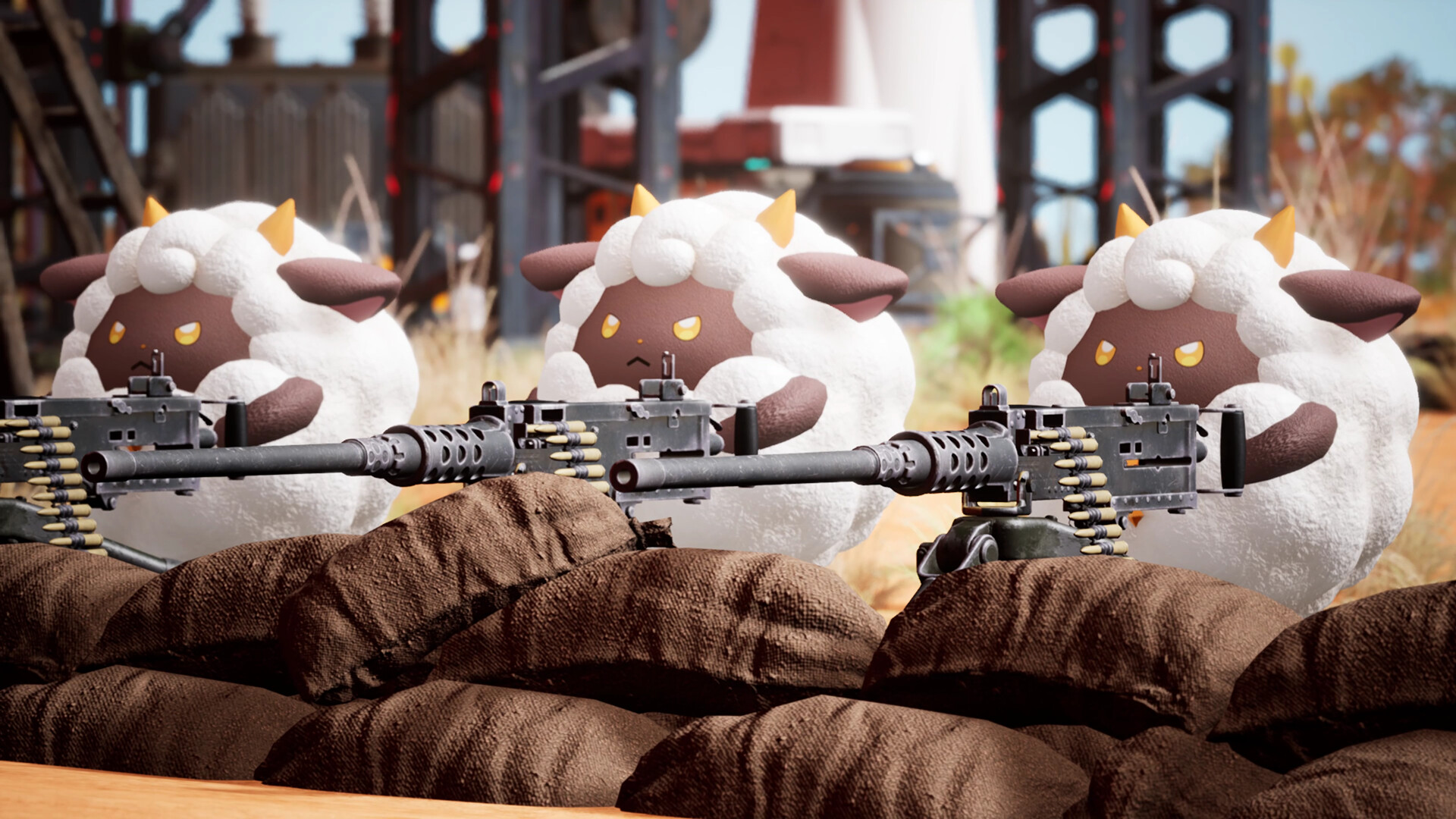
Palworld is an open-world survival and crafting game where you fight, farm, build, and work alongside creatures called Pals Source. For new players, the big hook is that almost everything feeds into everything else: exploration gives you materials, materials improve your base, your base helps your progression, and Pals automate much of the busywork.
As a Palworld beginner guide, the best way to think about the game is not as a linear campaign, but as a layered survival sandbox. You are constantly balancing three things:
- Staying alive in the field
- Expanding your base and production
- Building a stronger Pal team for combat and labor
That loop can feel overwhelming at first, but it becomes very readable once you identify what each system is for. If you have played other survival games, you will recognize the basics. If not, start slow and treat your first hours as a learning phase rather than a race to “finish” anything.
Palworld is also a game with a long tail. HowLongToBeat reports roughly 41.66 hours for the main story, 76.39 hours with extras, and 91.82 hours for completion Source. Those figures are useful because they show that even a “beginner” in Palworld is really learning a broad system set, not just a short tutorial path.
Key Systems Explained
Pals: combat, work, and utility
Pals are the core of the game. In the field, they fight alongside you and can carry you through early battles if you build a sensible team. At base, they handle labor tasks that would otherwise slow you down. A strong early Pal can be just as valuable for crafting and farming as it is for combat.
A good beginner mindset is to separate Pals into roles:
- Combat Pals: help you win encounters and bosses
- Worker Pals: keep your base productive
- Utility Pals: help with transport, gathering, or movement efficiency
You do not need the “best” Pal immediately. You need a balanced set that keeps your loop stable. That means catching useful Pals often, even if they are not rare.
Base building and automation
Your base is your production engine. Early on, it should focus on essentials rather than trying to look impressive. A functional base in Palworld usually includes:
- A safe, flat layout
- Storage near crafting stations
- Beds and basic comfort
- Production structures for core materials
- Space for Pals to move without getting stuck
The biggest beginner mistake is designing a base that looks good but works badly. Pathing matters. If your Pals struggle to reach stations, your progression slows down.
Exploration and resource loops
The game rewards movement. Exploration gives you:
- New materials
- Better Pals
- Better gathering opportunities
- Stronger gear progression
The loop is simple: explore, gather, return, craft, expand. If you are following a Palworld beginner guide mindset correctly, you will spend a lot of time making short trips instead of long risky runs. That keeps your inventory under control and reduces avoidable deaths.
Progression and achievements
Palworld has a sizable achievement list, and the global rarest tracked achievement sits at only 0.5% of players on Steam Source. That tells you two things: the game has deep optional goals, and many players never reach the late-game edge cases. As a beginner, do not worry about chasing everything at once. Focus on survival competence first.

Smart Early Choices
Build for stability, not ambition
Your first base should support the basics. Resist the urge to overbuild. An efficient early setup is usually better than a big one, because it keeps your resource flow steady.
Priorities for the opening phase:
- Secure a practical base location
- Catch several low-risk Pals
- Automate foundational work
- Improve your tools and carry capacity
- Expand only when your base can sustain it
If you do those five things well, you avoid most early frustration.
Catch more Pals than you think you need
New players often under-catch. That is a mistake. Extra Pals are not “duplicates” in the negative sense; they are options. A duplicate worker can still be useful if your base needs more labor. A duplicate fighter can fill a team gap. Catching more also helps you discover what you actually prefer using.
Spend resources on utility first
In the early game, utility beats style. Spend materials on things that:
- Increase survival
- Reduce travel friction
- Improve crafting throughput
- Expand storage and work capacity
If you find yourself deciding between a cosmetic change and a tool upgrade, choose the upgrade.
Use your map and fast progression habits
Explore in a way that gives you return on time. Mark resource-rich areas, note hostile zones, and revisit locations when your gear improves. The most efficient players are not always the bravest; they are the ones who create repeatable routes.
For a related breakdown, see resource gathering tips and base layout basics.
Pitfalls & Fixes
Pitfall: overextending in combat
Early fights can go bad quickly if you engage enemies above your current power level. The fix is not “play scared,” but “play informed.” Keep a retreat route, fight near terrain you understand, and do not bring weak gear into dangerous areas expecting miracles.
Pitfall: ignoring base flow
If your base is disorganized, you will feel like you are always short on something. The fix is to clean up the loop:
- Put storage near crafting
- Keep workstations accessible
- Avoid cramped layouts
- Assign the right Pals to the right jobs
A clean workflow is one of the biggest power spikes for beginners.
Pitfall: hoarding everything
Inventory clutter is a silent problem. Too many random materials make it harder to tell what you actually need. Sort your resources by purpose and spend surplus into upgrades whenever possible. If you never convert materials into progress, your stash becomes dead weight.
Pitfall: trying to “perfect” your first team
Your starting and mid-early teams are temporary. Do not get attached to the idea that your first captures must last forever. In a Palworld beginner guide, one of the most useful lessons is flexibility: use what works now, and replace it later when your options improve.
Pitfall: not learning Pal roles
If you treat all Pals as interchangeable, you lose efficiency. A worker with the wrong tasks can sit idle, and a combat Pal without synergy can underperform. Learn what each Pal is good at and assign tasks accordingly.
Leveling Up Your Play
Improve decision-making, not just gear
Once you survive the basics, your progress depends less on raw materials and more on judgment. Better players ask:
- Is this fight worth the damage?
- Should I return to base now or push farther?
- Am I collecting the right resources for my current bottleneck?
- Is this Pal actually improving my setup?
That shift from reacting to planning is what turns a beginner into a competent player.
Build a repeatable progression route
Your fastest improvement comes from a reliable loop. A good loop usually includes:
- A safe launch point
- A resource route
- A capture route
- A return-and-craft step
- A way to re-enter the field efficiently
Once that loop is stable, your whole session gets smoother.
Learn to specialize your base
As you progress, your base should stop being “everything at once” and become a focused machine. One area may lean toward crafting, another toward storage or support. The more you can reduce unnecessary movement, the better your overall tempo.
Watch the broader player trends
Palworld continues to attract a large audience. Steam’s official review summary currently reads "Very Positive" (94.3% positive) across 430116 reviews, and about 735087 players are in game on Steam right now Source. For beginners, that matters because active communities usually mean more guides, more discussion, and more shared discoveries. If you get stuck, there is likely a practical answer already out there.
If you want a next-step reference, check advanced base planning after you finish this Palworld beginner guide.
FAQ
What should I do first in Palworld?
Start by securing a basic base, catching nearby Pals, and collecting enough materials to stabilize crafting and survival. Do not rush into distant combat before your setup can support you.
How many Pals should I keep early on?
Keep enough to cover combat, gathering, and base work. You do not need a huge roster immediately, but you should avoid running only one or two Pals if they cannot cover every job.
Can I focus on building instead of fighting?
Yes, but you still need combat readiness because exploration and progression often require it. Palworld is strongest when your building and fighting support each other.
Is Palworld difficult for new players?
It can be, mainly because it mixes survival, crafting, base management, and creature collection. The systems become much easier once you understand the core loop and stop trying to optimize everything at once.
How do I avoid wasting resources?
Only spend on upgrades that improve survival, movement, crafting speed, or base flow. If a purchase does not help one of those areas, it can usually wait.
What is the best beginner mindset?
Treat your first hours as experimentation. Catch many Pals, test base layouts, and learn which resources bottleneck you most. That approach is far stronger than trying to follow a rigid build order from the start.
Can I play Palworld solo as a beginner?
Yes. Solo play is completely viable if you keep your base organized and avoid overcommitting to dangerous content too early. A good solo routine is slower, but it is very manageable.
Sources
- https://store.steampowered.com/app/1623730/
- https://howlongtobeat.com/?q=Palworld
- https://steamcommunity.com/stats/1623730/achievements
High-intent guides (GSC winners)
Screenshots



Reviewed by
Palworld Guides Editorial
Expertise: Editorial team behind Palworld Guides. Content is compiled from official patch notes, community wikis, and playthrough notes, then reviewed and updated on schedule.
Sources
Palworld Progression Guides →
Browse the complete progression collection and its focused guides.
Related Guides



🔥 Popular Guides
Idiosyncratic Passive Skill Palworld — Effect, Stacking & Best Pals
Idiosyncratic boosts a Pal's unique trait in Palworld. Learn the exact effect, whether it stacks, which Pals have it, and when to keep or breed it out.
Palworld Hartalis Slab Fragment Beginner Guide
Learn what Palworld Hartalis Slab Fragment is, how to handle it, early priorities, mistakes to avoid, and when you’ve outgrown beginner status.
Palworld Feathered Hair Band Beginner Guide
Learn what the Palworld Feathered Hair Band does, how to use it early, what to craft first, and when you leave beginner stage.
Palworld Beginner Guide: Palworld All Pal Stats Basics
Learn early priorities, common mistakes, and when Palworld beginners are ready to move past the opening phase.
📋 Patch Notes & Updates
🛠️ Popular Tools
Frequently Asked Questions
Quick answers from the guide · click a question to expand.
What should I do first in Palworld?
Start by securing a basic base, catching nearby Pals, and collecting enough materials to stabilize crafting and survival. Do not rush into distant combat before your setup can support you.
How many Pals should I keep early on?
Keep enough to cover combat, gathering, and base work. You do not need a huge roster immediately, but you should avoid running only one or two Pals if they cannot cover every job.
Can I focus on building instead of fighting?
Yes, but you still need combat readiness because exploration and progression often require it. Palworld is strongest when your building and fighting support each other.
Is Palworld difficult for new players?
It can be, mainly because it mixes survival, crafting, base management, and creature collection. The systems become much easier once you understand the core loop and stop trying to optimize everything at once.
How do I avoid wasting resources?
Only spend on upgrades that improve survival, movement, crafting speed, or base flow. If a purchase does not help one of those areas, it can usually wait.
What is the best beginner mindset?
Treat your first hours as experimentation. Catch many Pals, test base layouts, and learn which resources bottleneck you most. That approach is far stronger than trying to follow a rigid build order from the start.
Can I play Palworld solo as a beginner?
Yes. Solo play is completely viable if you keep your base organized and avoid overcommitting to dangerous content too early. A good solo routine is slower, but it is very manageable.
Was this guide helpful?
Rate this guide so we can improve it.
Share your own tip
Found something not in the guide? Submit it below — our editors review every tip before publishing. No account required.